NASA News

At the Edge of Light
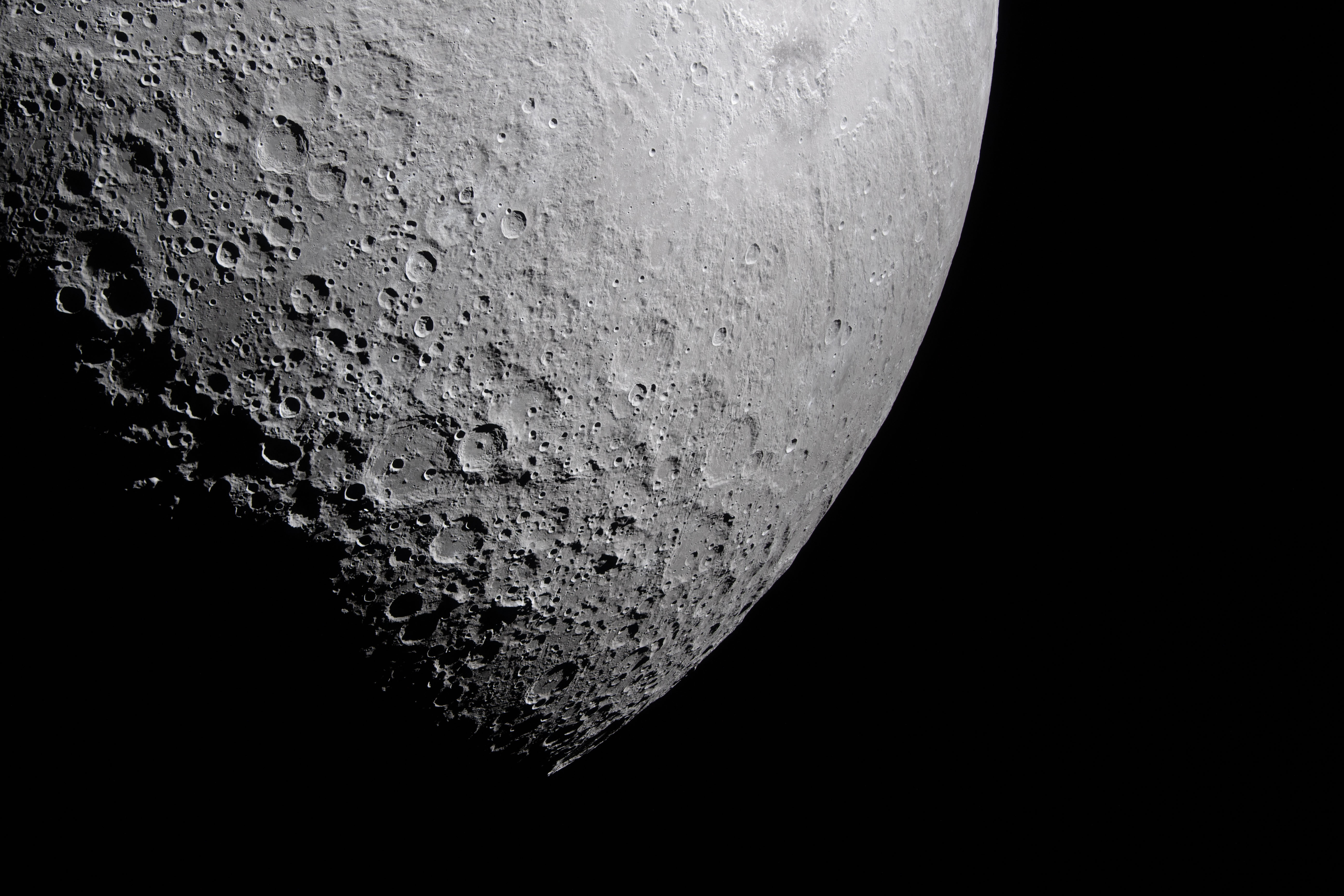
In this photo taken on April 6, 2026, a portion of the Moon’s far side is seen along the terminator—the boundary between lunar day and night—where low-angle sunlight casts long shadows across the surface.
A section of Orientale Basin is visible along the upper right portion of the lunar disk, its structure subtly revealed under grazing illumination. This lighting enhances contrast across the cratered terrain, highlighting variations in surface features and providing insight into the Moon’s geologic history.
See more imagery from the Artemis II mission.
Credit: NASA
Eyeing the Richat Structure
- Earth
- Earth Observatory
- Image of the Day
- EO Explorer
- Topics
- More Content
- About
I Am Artemis: Rebekah Tolatovicz
Listen to this audio excerpt from Rebekah Tolatovicz, a mechanical technician lead supporting the Orion spacecraft’s main contractor Lockheed Martin:
0:00 / 0:00
Your browser does not support the audio element.At NASA’s Kennedy Space Center in Florida, there is a fleet of Orion spacecraft in work, and Rebekah Tolatovicz’s hands have helped build each one. Tolatovicz works to build, integrate, and test the spacecraft used during the Artemis II test flight, as well as those designed to carry humanity to the Moon on future Artemis missions.
Tolatovicz is a mechanical technician lead for the Arctic Slope Regional Corporation, or ASRC Federal, supporting the Orion spacecraft’s main contractor Lockheed Martin. A typical day for Tolatovicz takes place inside NASA Kennedy’s Operations and Checkout Building, with Orion assembly and testing. Her work ranges from helping coordinate and lead technicians, to jumping into hands-on installations on components like hatches and engines, to collaborating with the engineering team.
“What I really like about the area that I’m in is we do so much,” said Tolatovicz. “From starting with the bare structure and installing giant parts and titanium pieces, to final integration where you’re installing the tiniest little components. I think that’s the coolest part. We don’t do just one technical thing — it’s all the technical things.”
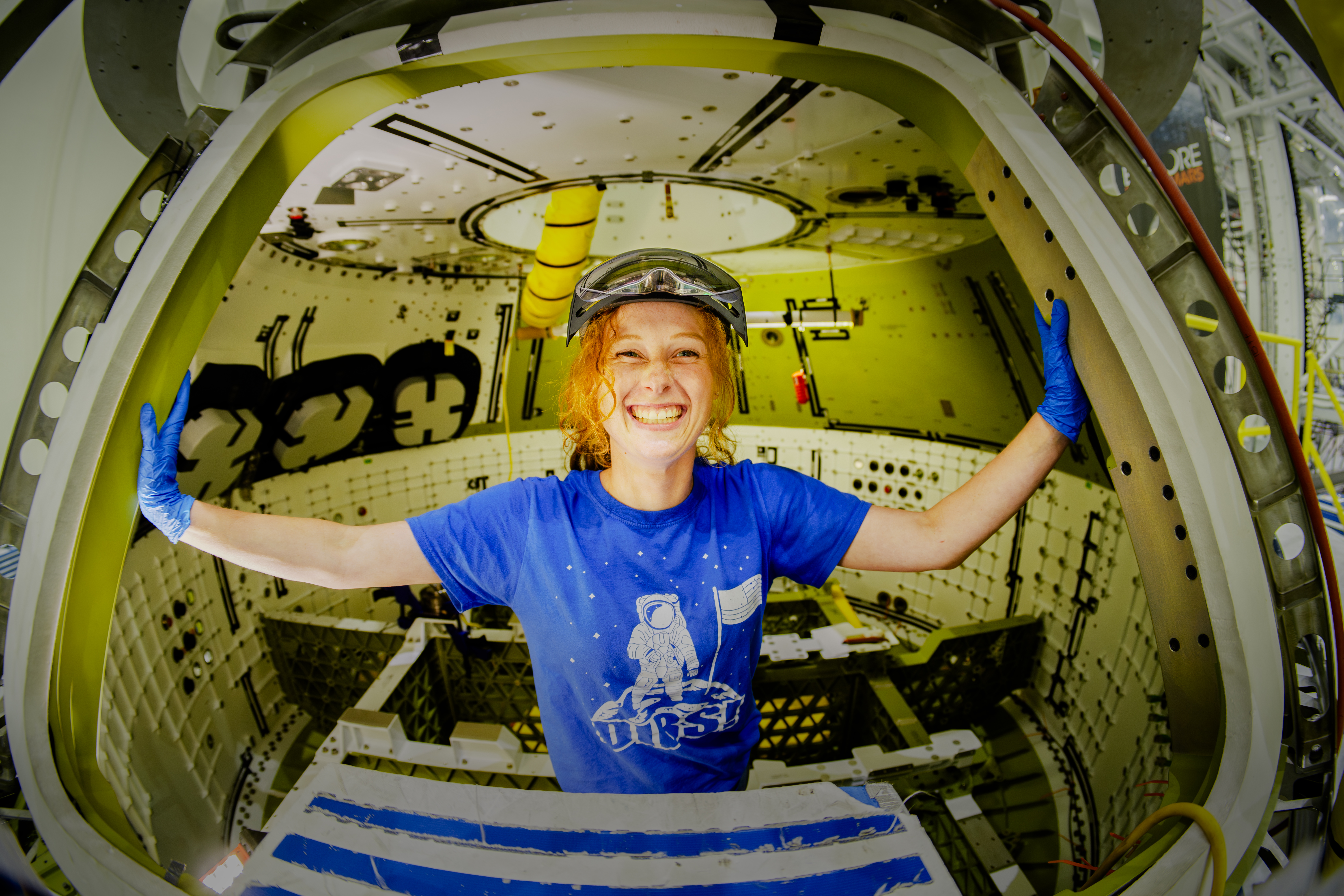
Rebekah Tolatovicz, a mechanical technician lead for the Arctic Slope Regional Corporation, or ASRC Federal, supporting the Orion spacecraft’s main contractor Lockheed Martin, works inside the Artemis III Orion crew module in the Operations and Checkout Building at NASA’s Kennedy Space Center in Florida.Credits: NASA/Rad SinyakTolatovicz currently works on the Orion crew modules that could sustain the astronauts on future Artemis missions, and she played a large role in work on the Artemis II spacecraft that carried four astronauts on a mission around the Moon, splashing down April 10. This included testing, integration, and final installation and closeout before the spacecraft was prepared for fueling and stacking on the SLS (Space Launch System) rocket.
As Artemis II was the first crewed mission under NASA’s Artemis program, Tolatovicz recognized the impact of her work.
It's really vital to stress the importance of what we do and know nothing is minuscule. Everything matters. It's really important to pass that down on to the new hires and make sure that everybody has that perspective.”Rebekah Tolatovicz
Orion Mechanical Technician Lead for ASRC Federal
Tolatovicz, who began as an intern with Lockheed Martin through Eastern Florida State College’s aerospace technician program, knows what it’s like to be a newcomer. She had been mentored by technicians who worked through the space shuttle era, which largely shaped her experience and outlook.
“At first I didn’t think I was going to make it,” said Tolatovicz. “But if you come in with a good attitude and want to learn — there’s so much you can learn from these guys, they have decades of knowledge to share. Once I got down on the floor and was working with them hands-on, I knew I could figure it out.”
Tolatovicz has been working on the Orion program for nine years. Since then, the Maine native has witnessed her work come to fruition on Orion’s uncrewed Artemis I test flight as well as the Artemis II mission around the Moon.
“It’s really amazing for me to be a part of NASA’s history and the next step,” said Tolatovicz. “I just really love my job, the team, and working through challenges. You don’t think about it when you’re putting things on, but then you get to tell somebody else that you installed the thrusters for the spacecraft, and you realize — man, that’s pretty cool.”
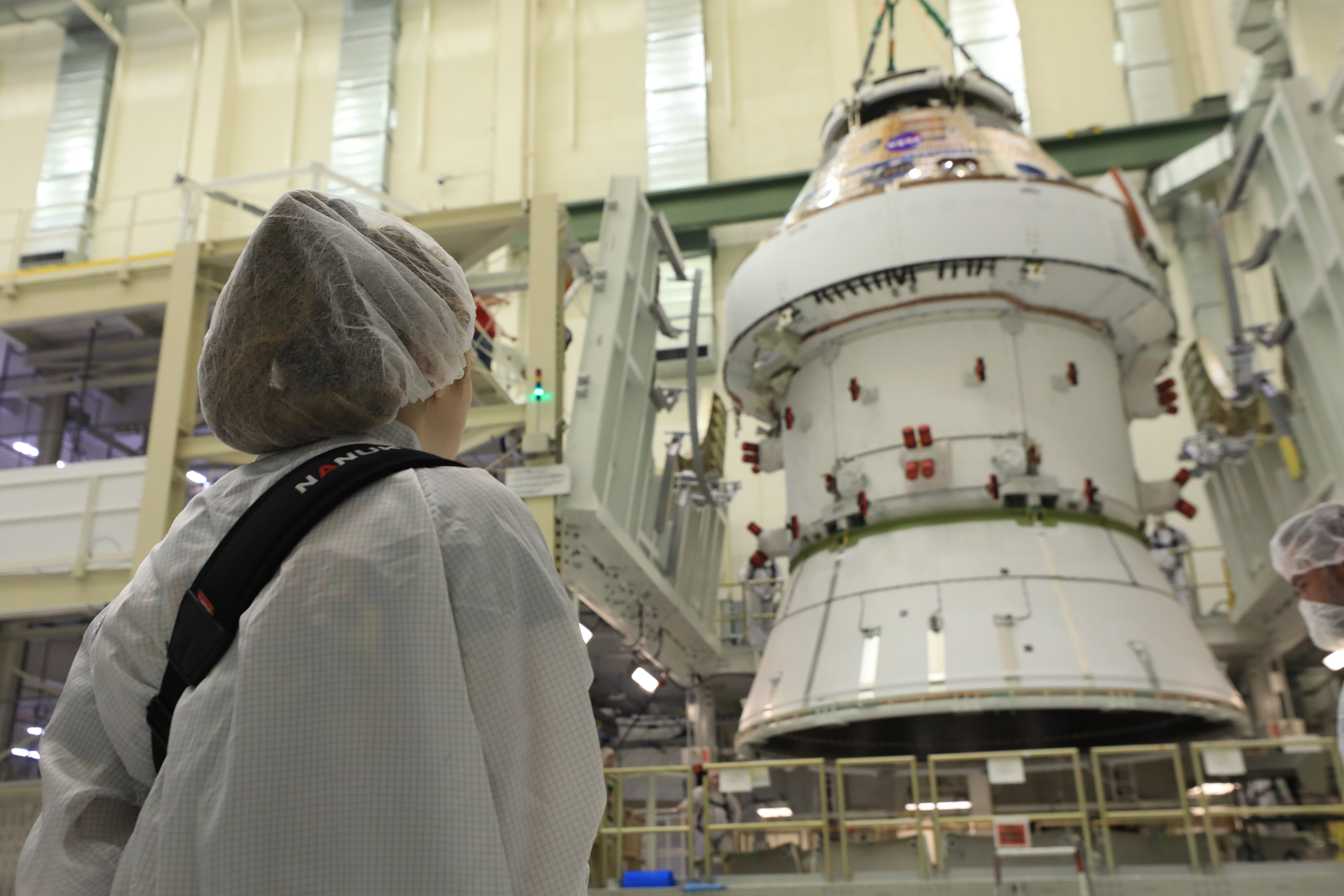
Rebekah Tolatovicz, a technician with Lockheed Martin, operates a 30-ton crane to move NASA’s Artemis II Orion spacecraft out of the Final Assembly and System Testing cell inside the Neil A. Operations and Checkout Building at NASA’s Kennedy Space Center in Florida on Saturday, Feb. 22, 2025. The move prepared for the installation of four solar array wings and spacecraft adapter jettison fairings for the agency’s first crewed flight test under the Artemis campaign. Credits: NASA/Cory S Huston About the AuthorErika Peters Share Details Last Updated Apr 15, 2026 Related Terms Explore More 3 min read I Am Artemis: Dan Florez Article 7 days ago 1 min read Watching the Artemis II Mission Unfold at JPL’s Space Flight Operations FacilityDescription Staff at NASA’s Jet Propulsion Laboratory in Southern California watch the agency’s Artemis II…
Article 1 week ago 2 min read The Deep Space Network Acquires Artemis II SignalDescription A graphical representation of the Deep Space Network’s radio frequency antennas indicate signal acquisition…
Article 1 week ago Keep Exploring Discover More Topics From NASAMissions
Humans in Space
Climate Change
Solar System
NASA Selects Voyager for Seventh Private Mission to Space Station
NASA and Voyager Technologies have signed an order for the seventh private astronaut mission to the International Space Station, targeted to launch no earlier than 2028 from Florida.
This is the company’s first selection for a private astronaut mission to the orbiting laboratory, underscoring NASA’s ongoing investment in fostering a commercial space economy and expanding opportunities for private industry in low Earth orbit.
“Private astronaut missions are accelerating the growth of new ideas, industries, and technologies that strengthen America’s presence in low Earth orbit and pave the way for what comes next,” said NASA Administrator Jared Isaacman. “With three providers now selected for private missions, NASA is doing everything we can to send more astronauts to space and ignite the orbital economy. Each new partner brings fresh capabilities that move us closer to a future with multiple commercially operated space stations and a vibrant, sustainable marketplace in low Earth orbit.”
The mission, named VOYG-1, is expected to spend as many as 14 days aboard the space station. A specific launch date will depend on overall spacecraft traffic at the orbital outpost and other planning considerations.
Voyager will submit four proposed crew members to NASA and its international partners for review. Once approved and confirmed, they will train with NASA, international partners, and the launch provider for their flight.
“This award reflects decades of partnership with NASA and validates our belief that the infrastructure being built in low Earth orbit today is the launchpad for humanity’s future in deep space,” said Dylan Taylor, chairman and CEO, Voyager. “From the International Space Station’s first commercial airlock to the seventh private astronaut mission, Voyager is committed to making American human spaceflight stronger, more capable, and more sustainable at every step of the journey.”
The company will purchase mission services from NASA, including crew consumables, cargo delivery, storage, and other in-orbit resources for daily use. NASA will purchase the capability to return scientific samples that must remain cold during transit back to Earth.
NASA made the selection from proposals received in response to its March 2025 NASA Research Announcement.
Missions aboard the International Space Station, including private astronaut missions, help advance scientific knowledge and demonstrate new technologies in the unique microgravity environment. These commercial efforts in low Earth orbit help develop capabilities and technologies that could support NASA’s long-term goals for missions beyond low Earth orbit, including deep space exploration to the Moon and eventually to Mars through the agency’s Artemis program.
Learn more about NASA’s commercial space strategy at:
https://www.nasa.gov/commercial-space
-end-
Jimi Russell
Headquarters, Washington
202-358-1600
james.j.russell@nasa.gov
Anna Schneider / Joseph Zakrzewski
Johnson Space Center, Houston
281-483-5111
anna.c.schneider@nasa.gov / joseph.a.zakrzewski@nasa.gov
NASA Launches Six CubeSats to International Space Station
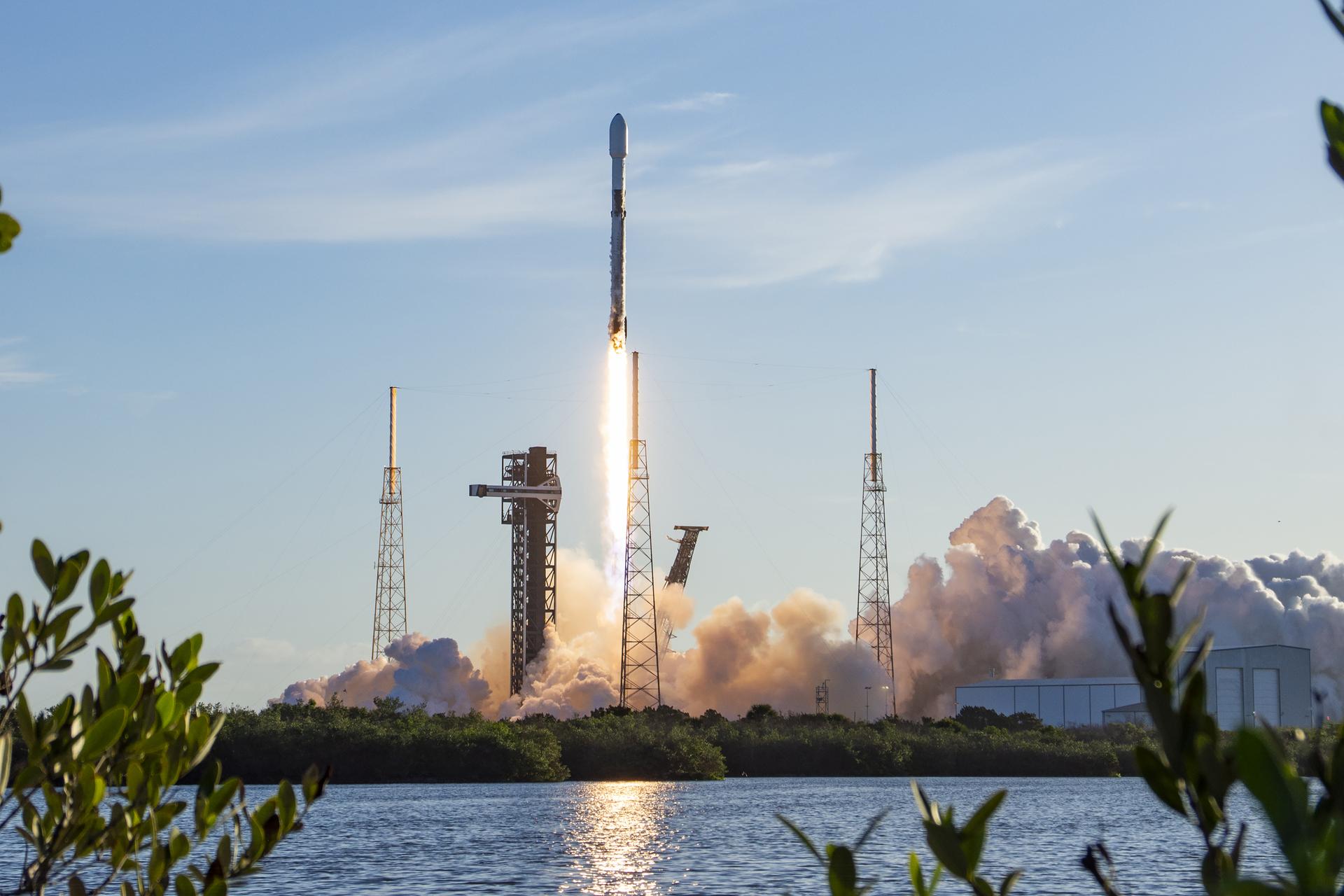
Experiments and supplies bound for the International Space Station launched on April 11 as part of the agency’s Northrop Grumman Commercial Resupply Services 24 mission.
As part of the approximately 11,000 pounds cargo that lifted off inside the company’s Cygnus XL spacecraft, NASA’s CubeSat Launch Initiative (CSLI) launched six CubeSats built by U.S. educational institutions and non-profit organizations. These CubeSats are Coconut, Harvard Undergraduate CubeSat (HUCSat), Low Earth Orbit Platform for Aerospace Research and Development Satellite 1 (LEOPARDSat-1), and three Pleiades Rapid Orbital Verification Experiment System (PROVES) CubeSats: PROVES – Alcyone, PROVES – Atlas, and PROVES – Electra.
Each CubeSat is a small satellite that will deploy into orbit from the space station to conduct its experiments. NASA’s Launch Services Program, based at the agency’s Kennedy Space Center in Florida, manages CSLI and manifested these CubeSats on the mission as part of the Educational Launch of Nanosatellites (ELaNa) 58 launch grouping.
Photo credit: SpaceX
2026 NSTA Hyperwall Schedule
2 min read
2026 NSTA Hyperwall ScheduleNASA Science at NSTA Hyperwall Schedule, April 16-18, 2026
Join NASA in the Exhibit Hall (Booth #1265) for Hyperwall Storytelling by NASA experts. Full Hyperwall Agenda below.
THURSDAY, APRIL 16
11:00 AM Teaching Space Weather in the Artemis Mission Era Christina Milotte 11:15 AM 5E StoryMaps using NASA Resources Tina HarteBallinger 11:30 AM Growing Beyond Earth: A Partnership Between
Fairchild Tropical Botanic Garden & NASA Amy Padolf 11:45 AM Learn Science by Doing Science:
Real NASA Research That Your Class Can Do Today Sarah Kirn 12:00 PM Unlock NASA’s Eyes and Inspire the Scientists of Tomorrow Jason Craig 12:15 PM Access NASA Earth Data for your Class Angela Rizzi 12:30 PM Solar System Treks George Chang 12:45 PM Earth in Motion: How the NISAR Satellite
Mission will Transform Our View of the Planet Erika Podest 1:30 PM Differentiated NASA Earth Data Analysis and Interpretation Angela Rizzi 1:45 PM Roman Space Telescope and Webb Space Telescope Begoña Vila 2:00 PM Earth in Motion: How the NISAR Satellite
Mission will Transform Our View of the Planet Erika Podest 2:15 PM Solar System Treks George Chang 2:30 PM Unlock NASA’s Eyes and Inspire the Scientists of Tomorrow Jason Craig 2:45 PM Teaching Space Weather in the Artemis Mission Era Christina Milotte 3:00 PM Earth in Motion: How the NISAR Satellite Mission will Transform Our View of the Planet Erika Podest 3:45 PM Learn Science by Doing Science:
Real NASA Research That Your Class Can Do Today Sarah Kirn
FRIDAY, APRIL 17
11:00 AM NASA Solar System Ambassador Program Sarah Marcotte 11:15 AM Growing Beyond Earth: A Partnership BetweenFairchild Tropical Botanic Garden & NASA Amy Padolf 11:30 AM Access NASA Earth Data for your Class Angela Rizzi 11:45 AM Roman Space Telescope and Webb Space Telescope Begoña Vila 12:00 PM Learn Science by Doing Science:
Real NASA Research That Your Class Can Do Today Sarah Kirn 12:15 PM Teaching Space Weather in the Artemis Mission Era Christina Milotte 12:30 PM 5E StoryMaps using NASA Resources Tina Harte Ballinger 1:30 PM Growing Beyond Earth: A Partnership Between
Fairchild Tropical Botanic Garden & NASA Amy Padolf 1:45 PM Learn Science by Doing Science:
Real NASA Research That Your Class Can Do Today Sarah Kirn 2:00 PM Roman Space Telescope and Webb Space Telescope Begoña Vila 2:15 PM NASA Solar System Ambassador Program Sarah Marcotte
NASA’s SPHEREx Mission Maps Water Ice Throughout Cygnus X
NASA/JPL-Caltech/IPAC/Hora et al. Photojournal Navigation Downloads NASA’s SPHEREx Mission Maps Water Ice Throughout Cygnus X
JPEG (1.99 MB)
PIA26748 Figure A
JPEG (6.64 MB)
Description
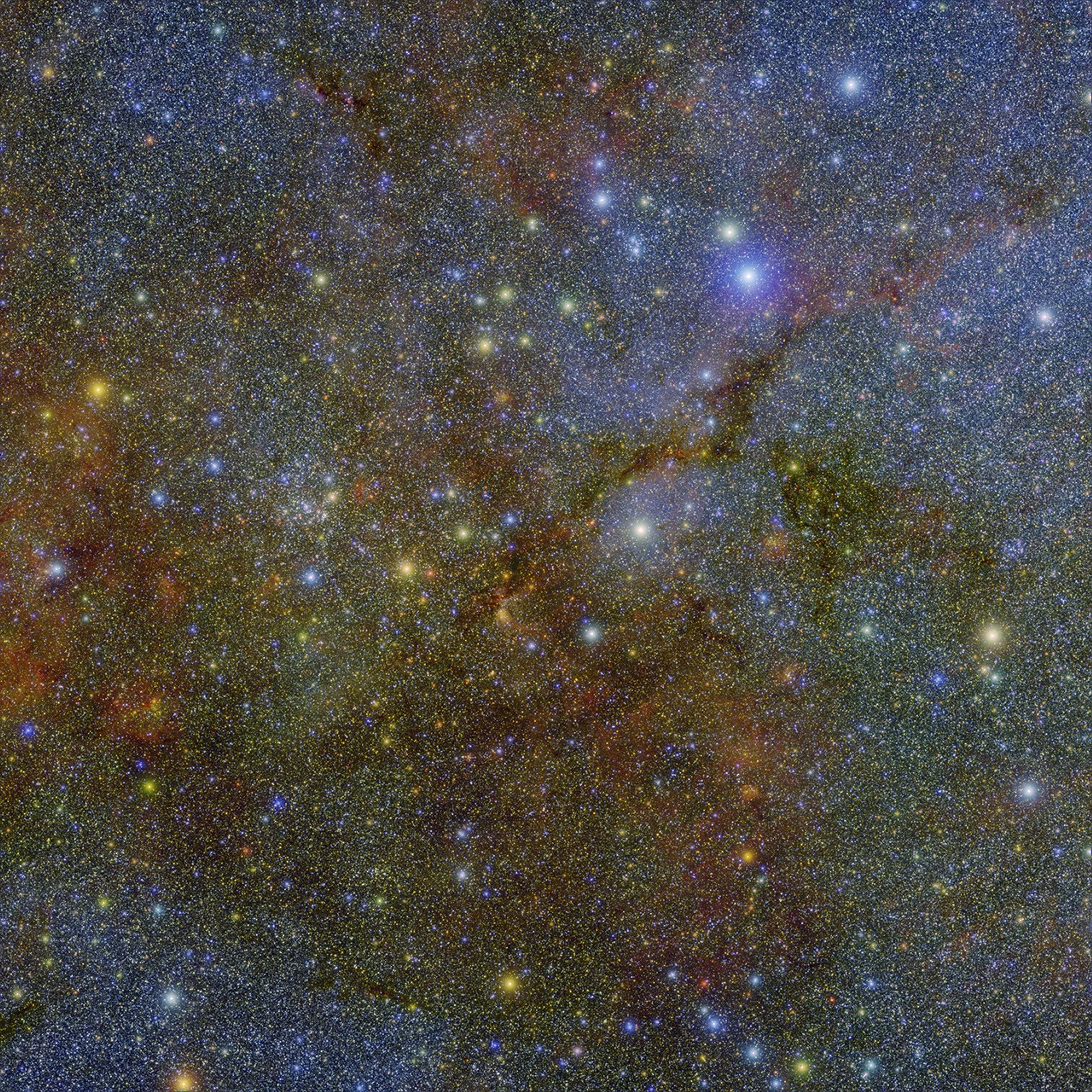
An observation made by NASA’s SPHEREx (Spectro-Photometer for the History of the Universe, Epoch of Reionization, and Ices Explorer) shows the chemical signatures of water ice (shown in bright blue) and polycyclic aromatic hydrocarbons (orange) in Cygnus X, one of the most active and turbulent regions of star birth in our Milky Way galaxy.
One of several maps of molecular clouds made by SPHEREx, this observation is detailed in a study published April 15, 2026, in The Astrophysical Journal. The study supports the hypothesis that interstellar ice forms on the surface of tiny dust particles no larger than particles found in the smoke from a candle. The findings show the densest regions of ice coincide with the densest regions of dust, and the dust shields the ice from the intense ultraviolet radiation emitted by newborn stars.
Figure AFigure A shows the same region, but in three different wavelengths assigned the colors green, blue, and red. This SPHEREx observation highlights the dark, dusty lanes that protect the water molecules from the intense radiation generated by newborn stars.
Although space telescopes such as NASA’s James Webb Space Telescope and the agency’s retired Spitzer have detected water, carbon dioxide, carbon monoxide, and other icy molecules throughout our galaxy, the SPHEREx observatory is the first infrared mission specifically designed to find such molecules over the entire sky, via the mission’s large-scale spectral survey.
Managed by NASA’s Jet Propulsion Laboratory in Southern California, the SPHEREx observatory launchedMarch 11, 2025, and has the unique ability to see the sky in 102 colors, each representing a different wavelength of infrared light that offers distinctive information about galaxies, stars, planet-forming regions, and other cosmic features. By late 2025, SPHEREx had completed the first of four all-sky infrared maps of the universe, charting the positions of hundreds of millions of galaxies in 3D to help answer major questions about the cosmos, including those about the origins of water and life.
The mission is managed by JPL for the agency’s Astrophysics Division within the Science Mission Directorate in Washington. The telescope and the spacecraft bus were built by BAE Systems in Boulder, Colorado. The science analysis of the SPHEREx data is being conducted by a team of scientists at 13 institutions across the U.S. and in South Korea and Taiwan, led by Principal Investigator Jamie Bock, who is based at Caltech with a joint JPL appointment, and by JPL Project Scientist Olivier Doré. Data is processed and archived at IPAC at Caltech in Pasadena, which manages JPL for NASA. The SPHEREx dataset is freely available to scientists and the public.
For more information about the SPHEREx mission visit: https://science.nasa.gov/mission/spherex/
Keep Exploring Discover More Topics From Photojournal
Photojournal
Search Photojournal
Photojournal’s Latest Content
Feedback
‘Interstellar Glaciers’: NASA’s SPHEREx Maps Vast Galactic Ice Regions
6 min read
Preparations for Next Moonwalk Simulations Underway (and Underwater) Water ice highlighted Interstellar dust highlighted These observations made by NASA’s SPHEREx mission reveal vast frozen complexes in the Cygnus X star-forming region of the Milky Way galaxy. Water ice, shown as bright blue structures at left, exactly overlays the dark lanes of interstellar dust, shown in different wavelengths at right.NASA/JPL-Caltech/IPAC/Hora et al These observations made by NASA’s SPHEREx mission reveal vast frozen complexes in the Cygnus X star-forming region of the Milky Way galaxy. Water ice, shown as bright blue structures at left, exactly overlays the dark lanes of interstellar dust, shown in different wavelengths at right. Water ice highlightedInterstellar dust highlighted These observations made by NASA’s SPHEREx mission reveal vast frozen complexes in the Cygnus X star-forming region of the Milky Way galaxy. Water ice, shown as bright blue structures at left, exactly overlays the dark lanes of interstellar dust, shown in different wavelengths at right.NASA/JPL-Caltech/IPAC/Hora et al These observations made by NASA’s SPHEREx mission reveal vast frozen complexes in the Cygnus X star-forming region of the Milky Way galaxy. Water ice, shown as bright blue structures at left, exactly overlays the dark lanes of interstellar dust, shown in different wavelengths at right. Water ice highlighted Interstellar dust highlighted CurtainToggle2-Up Image Details These observations made by NASA’s SPHEREx mission reveal vast frozen complexes in the Cygnus X star-forming region of the Milky Way galaxy. Water ice, shown as bright blue structures at left, exactly overlays the dark lanes of interstellar dust, shown in different wavelengths at right.NASA’s SPHEREx (Spectro-Photometer for the History of the Universe, Epoch of Reionization, and Ices Explorer) mission has mapped interstellar ice at an unprecedented scale. Covering regions in our Milky Way galaxy more than 600 light-years across, the ice was found inside giant molecular clouds — vast regions of gas and dust where dense clumps of matter collapse under gravity, giving birth to stars. A study describing these findings published Wednesday in The Astrophysical Journal.
One of SPHEREx’s main goals is to map the chemical signatures of various types of interstellar ice. This ice includes molecules like water, carbon dioxide, and carbon monoxide, which are vital to the chemistry that allows life to develop. Researchers believe these ice reservoirs, attached to the surfaces of tiny dust grains, are where most of the universe’s water is formed and stored. The water in Earth’s oceans — and the ices in comets and on other planets and moons in our galaxy — originates from these regions.
“These vast frozen complexes are like ‘interstellar glaciers’ that could deliver a massive water supply to new solar systems that will be born in the region,” said study coauthor Phil Korngut, the instrument scientist for SPHEREx at Caltech in Pasadena, California. “It’s a profound idea that we are looking at a map of material that could rain on nascent planets and potentially support future life.”
Thanks to its spectral capabilities, SPHEREx can measure the amounts of various ices and molecules, such as polycyclic aromatic hydrocarbons, in and around molecular clouds, helping scientists better understand their composition and environment.
Although space telescopes such as NASA’s James Webb Space Telescope and the agency’s retired Spitzer have detected water, carbon dioxide, carbon monoxide, and other icy molecules throughout our galaxy, the SPHEREx observatory is the first infrared mission specifically designed to find such molecules over the entire sky via the mission’s large-scale spectral survey.
“We expected to detect these ices in front of individual bright stars: The light from a star acts like a spotlight, revealing any ice in the space between us and that star. But this is something different,” said lead author Joseph Hora, an astronomer at the Center for Astrophysics (CfA) at Harvard & Smithsonian in Cambridge, Massachusetts. “When looking along the galactic plane — where most of the stars, gas, and dust of our galaxy are concentrated — there’s a lot of diffuse background light shining through entire dust clouds, and SPHEREx can see the spatial distribution of the ices they contain in incredible detail.”
Managed by NASA’s Jet Propulsion Laboratory in Southern California, the SPHEREx observatory launched March 11, 2025, and has the unique ability to see the sky in 102 colors, each representing a different wavelength of infrared light that offers distinctive information about galaxies, stars, planet-forming regions, and other cosmic features. By late 2025, SPHEREx had completed the first of four all-sky infrared maps of the universe, charting the positions of hundreds of millions of galaxies in 3D to help answer major questions about the cosmos, including those about the origins of water and life.
Icy originsUsing the SPHEREx maps of various icy molecules, the study’s authors were able to look deep into many molecular clouds in the Cygnus X and North American Nebula regions of the Milky Way. In the densest areas, where the amount of dust is greatest, dark filamentary lanes block the visible light from the stars behind. With its infrared eye, the space telescope also revealed where the different ices — which absorb specific wavelengths of infrared light that would pass through the clouds if they consisted only of dust — are at their densest.
This finding supports the hypothesis that interstellar ice forms on the surface of tiny dust particles, which are no larger than particles found in candle smoke, and that the dense regions of dust shield the ices from the intense ultraviolet radiation emitted by newborn stars. However, not all ices are treated the same way in the interstellar medium.
“We can investigate the environmental factors that contribute to different ice formation rates across large areas of interstellar space,” said study coauthor Gary Melnick, also an astronomer at the CfA. “The SPHEREx mission’s ‘big picture’ view provides valuable new information you can’t get when zooming in on a small region.”
Within this broad perspective, adds Melnick, SPHEREx can do something ground-based observatories cannot: detect varying amounts of water and carbon dioxide, two ices that respond differently to environmental factors. For example, the presence of intense ultraviolet light from nearby massive young stars or the heating of these dust grains by that light affects the abundances of different ices in distinct ways.
This is just the beginning for the mission. Observations from SPHEREx will provide scientists with a powerful tool to explore the various components of our galaxy, the physics of the interstellar medium that lead to star and planet formation, and the chemical processes that deliver molecules essential for life to newly formed planets.
More about SPHERExThe mission is managed by JPL for the agency’s Astrophysics Division within the Science Mission Directorate in Washington. The telescope and the spacecraft bus were built by BAE Systems in Boulder, Colorado. The science analysis of the SPHEREx data is being conducted by a team of scientists at 13 institutions across the U.S. and in South Korea and Taiwan, led by Principal Investigator Jamie Bock, who is based at Caltech with a joint JPL appointment, and by JPL Project Scientist Olivier Doré. Data is processed and archived at IPAC at Caltech in Pasadena, which manages JPL for NASA. The SPHEREx dataset is freely available to scientists and the public.
For more information about the SPHEREx mission visit:
https://science.nasa.gov/mission/spherex/
Media Contacts
Ian J. O’Neill
Jet Propulsion Laboratory, Pasadena, Calif.
818-354-2649
ian.j.oneill@jpl.nasa.gov
Alise Fisher
NASA Headquarters, Washington
202-617-4977
alise.m.fisher@nasa.gov
Amy C. Oliver, FRAS
Public Affairs Officer
Smithsonian Astrophysical Observatory
amy.oliver@cfa.harvard.edu
2026-022
Share Details Last Updated Apr 15, 2026 Related Terms Explore More 3 min read NASA’s SPHEREx Mission Maps Water Ice Throughout Cygnus XDescription An observation made by NASA’s SPHEREx (Spectro-Photometer for the History of the Universe, Epoch of…
Article 1 day ago 5 min read NASA Finds Young Stars Dim in X-rays Surprisingly QuicklyScientists have found that young stellar cousins of our Sun are calming down and dimming…
Article 2 days ago 5 min read NASA’s Webb Redefines Dividing Line Between Planets, StarsPlanets, like those in our solar system, form in a bottom-up process where small bits…
Article 2 days ago Keep Exploring Discover Related TopicsSPHEREx
StarsAstronomers estimate that the universe could contain up to one septillion stars – that’s a one followed by 24 zeros.…
Infrared AstronomyBeyond Visible Light The rainbow of light that the human eye can see is a small portion of the total…
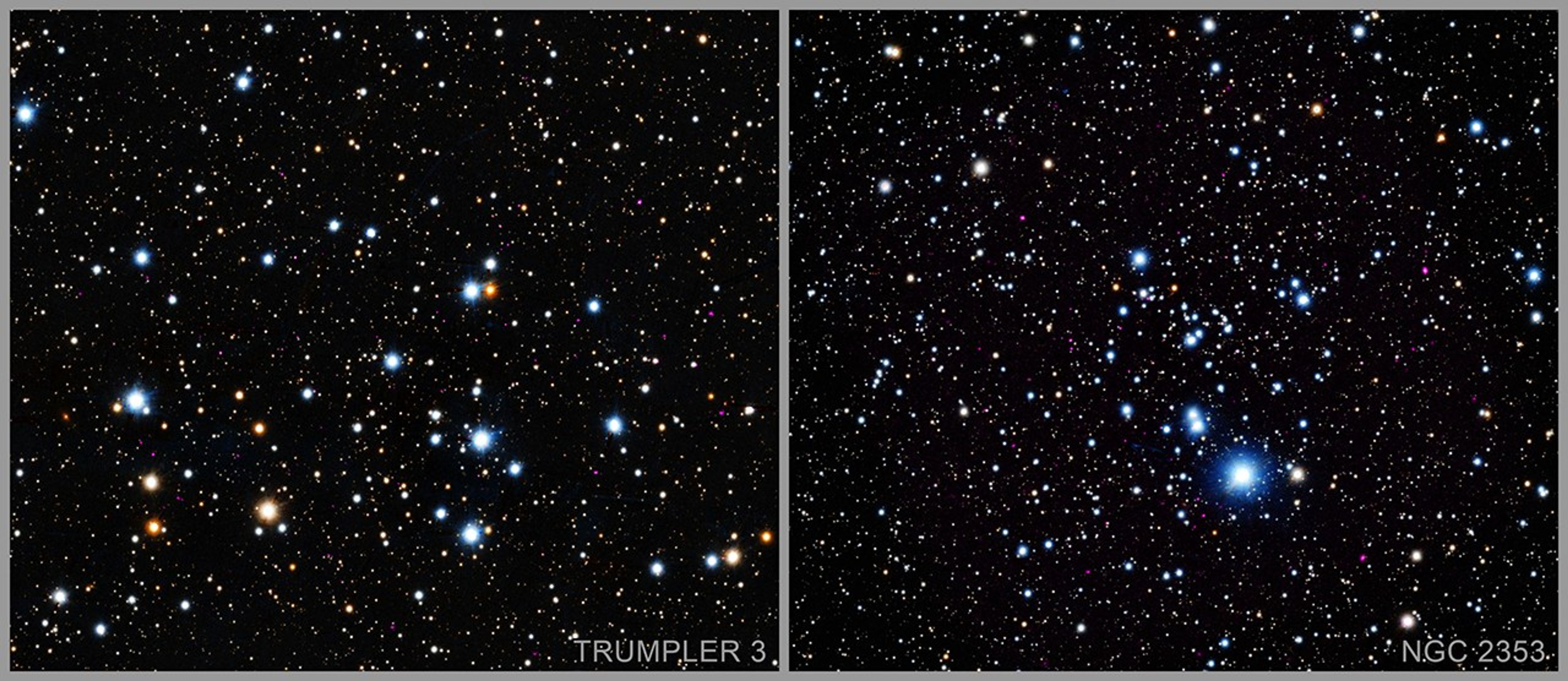
Cosmic Clouds in CygnusThese cosmic clouds of gas and dust driftthrough rich star fields along theplane of our Milky Way Galaxy toward the…
Artemis II Crew Returns to Houston
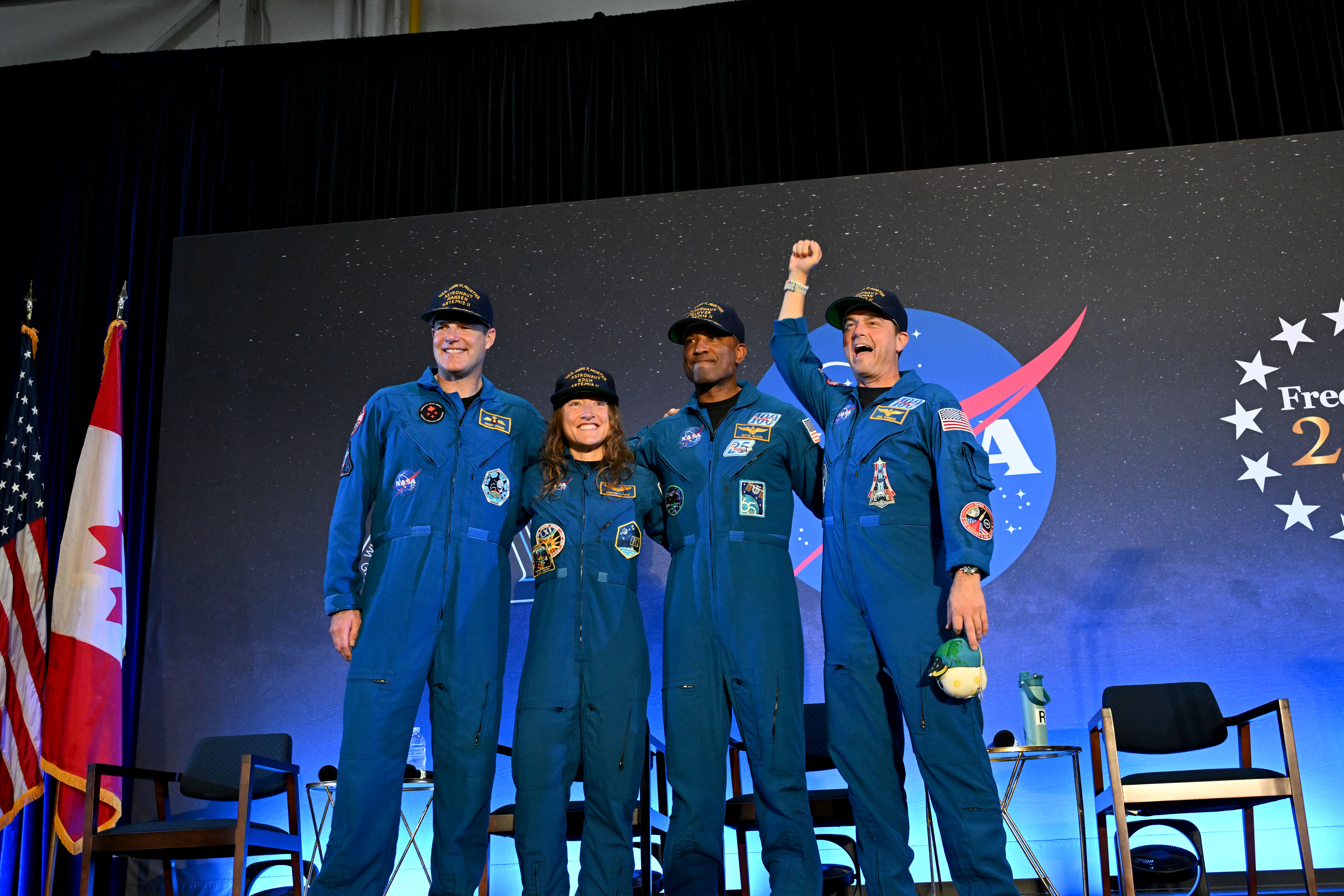
NASA’s Artemis II crew – NASA astronauts Reid Wiseman, Victor Glover, and Christina Koch, and CSA (Canadian Space Agency) astronaut Jeremy Hansen – smile at friends, family, and colleagues. They shared brief remarks with the crowd after landing at Ellington Airport near NASA’s Johnson Space Center in Houston on Saturday, April 11, 2026, after a nearly 10-day journey around the Moon and back to Earth.
View the latest imagery from the Artemis II mission on our Artemis II Multimedia Resource Page.
Image credit: NASA/Helen Arase Vargas
Honoring Alex Goetz, a Landsat Legend
- Landsat Home
- Missions
- News
- Data
- Benefits
- Outreach
- Multimedia
- About
- Search
In the more than five decades of the Landsat program, there have been many visionaries who have changed the course of remote sensing history. One such figure is Alexander Goetz, a physicist and planetary scientist who pioneered imaging spectrometry from space.
Goetz was part of the Landsat Program from the very beginning, working as a principal investigator for Landsats 1 and 2. Years later, he returned to the program as a member of the first formal Landsat Science Team on Landsat 7. This diverse group of researchers, technologists, and calibration and applications specialists helped advance Landsat science goals, refined algorithms, and supported on-the-ground calibration. Crucially, the team advised on the creation of the long-term acquisition plan (LTAP), which ensured consistent global, seasonal coverage of Landsat data. Goetz, for his part, led a study titled “Land and Land-Use Change in the Climate Sensitive High Plains: An Automated Approach with Landsat”.
Goetz, who passed away in 2025 at age 86, was an innovator in the field of spectrometry. According to a 2009 special issue of Remote Sensing of Environment, Goetz was “one of the few remote sensing scientists in the early days of the Landsat program to recognize the Multispectral Scanner (MSS) and later the Thematic Mapper (TM) for what they really were: quantitative spectral measuring instruments, not just ‘cameras in space’ that made pretty pictures.”
True to that vision, in 1974—just two years after the launch of Landsat 1—Goetz developed a portable field spectrometer to acquire ground truth surface reflectance data to calibrate data from the MSS. Building on the success of the field spectrometer experiment, he worked with a team to develop the Shuttle Multispectral Infrared Radiometer (SMIRR), which flew on the Space Shuttle in 1981. SMIRR, which collected data across ten bands, enabled scientists to map mineral composition from space for the first time. Data from SMIRR contributed to the case for adding band 7 to the TM on Landsat 4. By measuring data in the shortwave-infrared (SWIR) part of the electromagnetic spectrum, band 7 allowed geological researchers to better map rock types. Goetz was awarded the prestigious William T. Pecora Award and the NASA Medal for Exceptional Scientific Achievement for his pioneering work on imaging spectrometry.
Today, 27 years after the launch of Landsat 7, we honor the legacy of Alexander Goetz, one of the key figures in Landsat history.
Explore More
Honoring Alex Goetz, a Landsat Legend
2 min read
Dr. Alex Goetz, who passed away in 2025, was a member of the Landsat 7 Science Team and a key…
Apr 15, 2026 ArticleMegaberg Ends Its Long Odyssey at Sea
5 min read
Antarctic Iceberg A-23A’s journey ends in fragmentation in the South Atlantic Ocean, after a 40-year lifespan documented by satellites.
Apr 13, 2026 ArticleSnow in the Shadow of the Andes
2 min read
An early autumn storm left higher elevations in southern Argentina with a fresh and fleeting coat of white.
Apr 9, 2026 Article1
2
3
…
303
Next
Metrics
Click here to view the FY26 Services Catalog
The catalogs provide service description, chargeback rate, unit of measure, and service level indicators for each NSSC service.
Service Level Agreement (SLA)Click here to view the Service Level Agreement
The SLA provides information about roles, responsibilities, rates, and service level indicators for all NASA Centers. The SLA is negotiated on an annual basis in line with the fiscal year. A single SLA is shared by all NASA Centers and signed by the Associate Administrator, Chief Financial Officer, Chief Information Officer, and the Office of Inspector General. The SLA provides for the delivery of specific services from the NSSC to NASA Centers and Headquarters Operations in the areas of:
- Financial Management
- Procurement
- Human Resources
- Information Technology
- Agency Business Services
*** On-Line Course Management and Training Purchases have been realigned to the OLC &Training Purchases section of the bill in accordance with the realignment of training funds. Center Special Projects have been consolidated into one Special Projects bill with the funding Center identified for each project.***
FY 2026 – Utilization Reports
October 2025
November 2025
December 2025
January 2026
February 2026
FY 2025 – Utilization Reports
September 2025
August 2025
July 2025
June 2025
May 2025
April 2025
March 2025
February 2025
January 2025
December 2024
November 2024
October 2024
FY 2024 – Utilization Reports
September 2024
August 2024
July 2024
June 2024
May 2024
April 2024
March 2024
February 2024
January 2024
December 2023
November 2023
October 2023
Contours of the James Bay Lowlands
- Earth
- Earth Observatory
- Image of the Day
- EO Explorer
- Topics
- More Content
- About
Curiosity Blog, Sols 4859-4866: One Small Crater and Thousands of Polygons
- Curiosity Home
- Science
- News and Features
- Multimedia
- Mars Missions
- Mars Home
3 min read
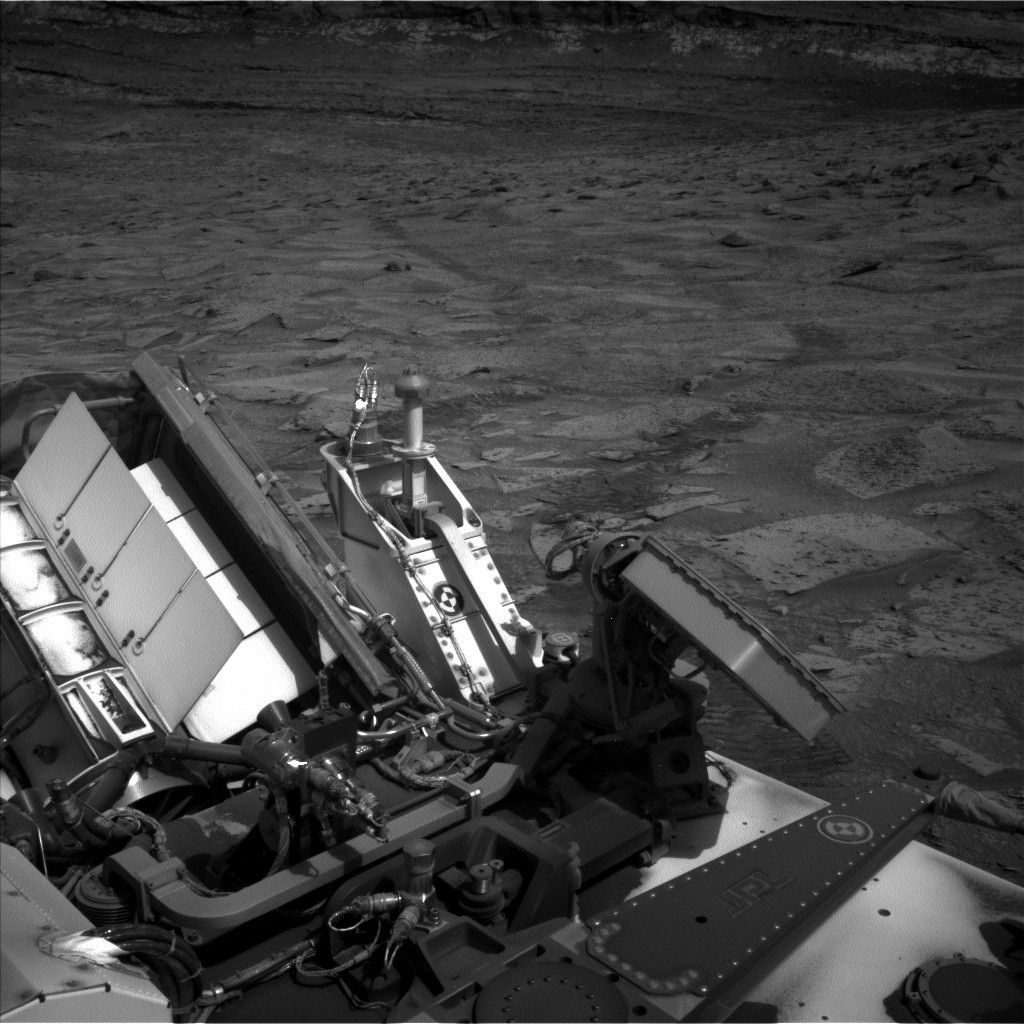
Curiosity Blog, Sols 4859-4866: One Small Crater and Thousands of Polygons NASA’s Mars rover Curiosity acquired this image showing faint tracks behind the rover on April 9, 2026. The mission team used autonomous navigation during the end of this drive, so Curiosity herself made the decision to take the turns visible in the images. The rover captured this image using its Left Navigation Camera on Sol 4861, or Martian day 4,861 of the Mars Science Laboratory mission, at 19:03:01 UTC. NASA/JPL-CaltechWritten by Abigail Fraeman, Deputy Project Scientist at NASA’s Jet Propulsion Laboratory
Earth planning date: Friday, April 10, 2026
Curiosity spent the past week driving towards a small crater, about 10 meters (32 feet) in diameter. Today the team informally named this crater “Antofagasta,” after a region and major city in Chile next to the Atacama. Craters are very cool for many reasons, one of which is that they act as “nature’s drill,” exposing material to the surface through their walls and ejecta that would have otherwise been buried. From orbit, Antofagasta looks like it might be a relatively young crater (less than 50 million years old, which is young on a Martian geologic scale!), so there may be material in and around the crater that was only exposed to the harsh, organic-molecule destroying radiation environment on Mars’ surface in the very recent past. Curiosity has already found many hardy organic molecules that survived billions of years, but could there be an even bigger treasure trove of complex chemistry deep below the surface? Antofagasta could help us answer this question… but only if the crater is big enough to have excavated deep rocks, if it really is relatively young, and if we are able to find a rock we are confident was excavated from depth that also meets the physical requirements for Curiosity’s drill. That’s a lot of “ifs,” but also too exciting of an opportunity to drive by! We’ll be able to answer all these “ifs” and decide what to do once we get a much closer look at the crater from the ground next week.
In the meantime, the journey to Antofagasta has been extremely interesting. Many of the rocks we’ve driven over have these incredible textures — thousands of honeycomb-shaped polygons crisscross their surface. Here’s one example, and here’s another example, both from Sol 4859. We’ve seen polygon-patterned rocks like these before, but they didn’t seem quite this dramatically abundant, stretching across the ground for meters and meters in our Mastcam mosaics. This week we continued to collect lots of images and chemical data that will help us distinguish between different hypotheses for how the honeycomb textures formed. We also continued to monitor Mars’ environment, with lots of dust-devil searches and images toward the horizon to characterize the Martian atmosphere as it grows predictably dustier approaching the warm summer months.
I’m looking forward to seeing the data that should arrive on Earth by Tuesday morning. If all goes well, Curiosity will be perched on the edge of Antofagasta, sending images that will allow us humans to see the crater rim and into the interior for the first time from the ground.
-
Want to read more posts from the Curiosity team?
-
Want to learn more about Curiosity’s science instruments?
Article
1 day ago
3 min read Curiosity Blog, Sols 4845-4851: Bye-Bye Boxwork, Bye-Bye
Article
1 day ago
4 min read Curiosity Blog, Sols 4838-4844: Wrapping Up the Boxwork Terrain
Article
3 weeks ago
Keep Exploring Discover More Topics From NASA Mars
Mars is the fourth planet from the Sun, and the seventh largest. It’s the only planet we know of inhabited…
All Mars Resources
Explore this collection of Mars images, videos, resources, PDFs, and toolkits. Discover valuable content designed to inform, educate, and inspire,…
Rover Basics
Each robotic explorer sent to the Red Planet has its own unique capabilities driven by science. Many attributes of a…
Mars Exploration: Science Goals
The key to understanding the past, present or future potential for life on Mars can be found in NASA’s four…
NASA Finds Young Stars Dim in X-rays Surprisingly Quickly
Scientists have found that young stellar cousins of our Sun are calming down and dimming more quickly in their X-ray output than previously thought, according to a new study using NASA’s Chandra X-ray Observatory. A paper describing the results published Monday in The Astrophysical Journal.
Unlike in the new movie “Project Hail Mary,” this quieting of young stars is a benefit for the prospects for life on orbiting planets around these stars — not a threat.
Astronomers used Chandra and other telescopes to monitor how powerful radiation from young stars — often in the form of dangerous X-rays — can pummel planets surrounding them. They did not know, however, how long this high-energy barrage continued.
This latest study looked at eight clusters of stars between the ages of 45 million and 750 million years old. The researchers found that Sun-like stars in these clusters unleashed only about a quarter to a third of the X-rays they expected.
“While science fiction – like the microbes in Project Hail Mary – imagines alien life that dims stellar output by consuming its energy, our real observations reveal a natural ‘quieting’ of young Sun-like stars in X-rays,” said Konstantin Getman, the lead author of the new study from Penn State University. “This is not because an outside force is consuming their light, but because their internal generation of magnetic fields becomes less efficient.”
In fact, this calming could be a boon to the formation of life on planets around stars that are younger versions of our own Sun. (Our Sun is about 4.6 billion years old, so significantly older than the stellar cousins in this study.) This is because large amounts of X-rays can erode a planet’s atmosphere and prevent formation of molecules necessary for organic life as we know it. On average, three-million-year-old stars with a mass equal to the Sun produce about a thousand times more X-rays than today’s Sun. Meanwhile, 100-million-year-old solar-mass stars are about 40 times brighter in X-rays than the present Sun.
Illustration of a young Sun-like star eroding some of the atmosphere of an orbiting planet. NASA/SAO/CXC/M. Weiss“It’s possible that we owe our existence to our Sun doing the same thing, several billion years ago, that we see these young stars doing now,” said co-author Vladimir Airapetian of NASA’s Goddard Space Flight Center in Greenbelt, Maryland. “This real-world dimming echoes the dramatic stellar change in fiction, but it may be even more fascinating because it highlights our own Sun’s actual history.”
The researchers found that stars with about the same mass as the Sun quieted down relatively rapidly — after a few hundred million years — while ones with less mass kept up their high levels of X-ray emission for longer. Combined with a decrease in the energy of the X-rays and the disappearance of energetic particles, the Sun-sized stars are apparently better suited to host planets with robust atmospheres and possibly blossoming life than previously thought.
The research team also used data from ESA’s (European Space Agency’s) Gaia satellite and X-ray data from the ROSAT (ROentgen SATellite) mission. This data allowed them to identify the stars that were members of the clusters (not foreground or background stars). To measure the X-ray output from the stars, they made new Chandra observations of five clusters with ages between 45 million and 100 million years, in addition to using Chandra and ROSAT data from archives to study three older clusters with ages between 220 and 750 million years.
Astronomers have not been able to study the X-ray output of stars in this age range well before. Most astronomers have relied on sparse data and a derived relation that predicts the X-ray emission young stars should produce based on their ages and rates of spin. Older and more slowly rotating stars are usually fainter in X-rays, but the team found that X-ray output drops off about 15 times more rapidly than the derived relation predicts during this specific adolescent phase.
“We can only see our Sun at this current snapshot in time, so to really understand its past we must look to other stars with about the same mass,” said co-author Eric Feigelson, also of Penn State University. “By studying X-rays from stars that are hundreds of millions of years old, we have filled in a large gap in our understanding of their evolution.”
While they are still investigating the cause of this slower-than-expected activity, scientists think the process that generates magnetic fields in these stars may become less efficient. This would lead to the stars becoming quieter in X-rays more quickly, as they age. The researchers will continue to look at this and other potential causes for the rapid dimming of young Sun-like stars.
NASA’s Marshall Space Flight Center in Huntsville, Alabama, manages the Chandra program. The Smithsonian Astrophysical Observatory’s Chandra X-ray Center controls science operations from Cambridge, Massachusetts, and flight operations from Burlington, Massachusetts.
Read more from NASA’s Chandra X-ray Observatory
Learn more about the Chandra X-ray Observatory and its mission here:
https://science.nasa.gov/chandra
News Media ContactMegan Watzke
Chandra X-ray Center
Cambridge, Mass.
617-496-7998
mwatzke@cfa.harvard.edu
Joel Wallace
Marshall Space Flight Center, Huntsville, Alabama
256-544-0034
joel.w.wallace@nasa.gov
NASA Receives 7 Nominations for the 30th Annual Webby Awards
2 min read
Preparations for Next Moonwalk Simulations Underway (and Underwater) NASA/Keegan BarberSince it began in 1958, NASA has been charged by law with spreading the word about its work to the widest extent practicable. From typewritten press releases to analog photos and film, the agency has effectively moved into social media and other online communications. NASA’s broad reach across digital platforms has been recognized by the International Academy of Digital Arts and Sciences (IADAS), with 7 nominations across multiple categories for the academy’s 30th annual Webby Awards.
Public Voting OpportunitiesVoting for the Webby People’s Voice Awards—chosen by the public—is open now through Thursday, April 16. Voting links for each category are listed below.
30th Annual Webby Award NomineesAI, Immersive & Games
Hearing Hubble
NASA Goddard
Immersive Content: Science & Education
NASA’s Webb Telescope and the Universe: Using social media to connect us all
NASA Goddard
Social Campaigns: Education & Science
Nerdy Words
NASA Marshall
Social Video Short Form: Education & Science
NASA Astronauts Posts from Space
NASA
General Social: Education & Science
Video & Film
Cosmic Dawn (NASA+ Original Documentary)
NASA
General Video and Film: Documentary: Longform
Podcasts
Houston We Have a Podcast: Artemis II: The Mission
NASA Johnson
Individual Episodes: Science & Education
NASA’s Curious Universe: The Earth Series
NASA
Limited-Series & Specials: Health, Science, & Education
Established in 1996 during the web’s infancy, The Webbys is presented by the IADAS—a 3000+ member judging body. The Academy is comprised of Executive Members—leading Internet experts, business figures, luminaries, visionaries, and creative celebrities—and associate members who are former Webby winners, nominees and other internet professionals.
The Webby Awards presents two honors in every category—the Webby Award and the Webby People’s Voice Award. Members of the International Academy of Digital Arts and Sciences (IADAS) select the nominees for both awards in each category, as well as the winners of the Webby Awards. In the spirit of the open web, the Webby People’s Voice is chosen by the voting public, and garners millions of votes from all over the world.
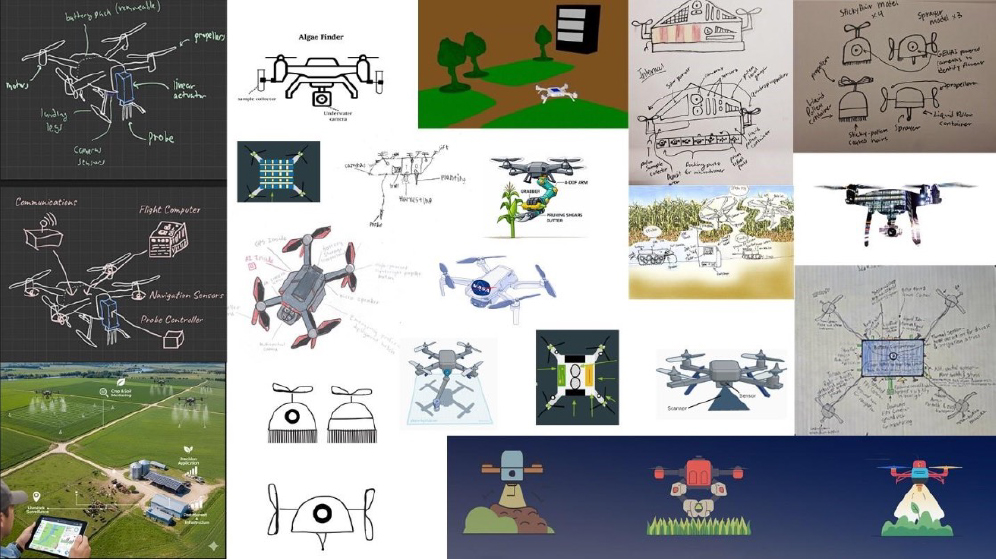
2025-2026 Dream with Us Design Challenge Winners
1 min read
Preparations for Next Moonwalk Simulations Underway (and Underwater)2025-2026 Dream with Us Winners
Congratulation to our 2025-2026 Dream with Us Design Challenge Winners! We are pleased to share this year’s winning projects: Middle School 1st Place: Scout Farm (Varenya D., Aashritha P., and Alvitha P., NJ) 2nd Place: AgriTech (Charlotte W. and Richard F., CA) 3rd Place: AgriDrone (Hasini B. and Kanishka A, TX and CA) High School 1st Place: SkySeekers (Monta Vista High School and Foothill High School, CA)Team SkySeekers Engineering Notebook
2nd Place: AeroForge (Adrian Wilcox High School, CA)Team AeroForge Engineering Notebook
3rd Place: Flight Fusion Team (Eastern Technical High School, Damascus High School, Dulaney High School, and Thomas Wooten High School, MD)Team Flight Fusion Engineering Notebook
Facebook logo @NASA@NASAaero@NASAes @NASA@NASAaero@NASA_es Instagram logo @NASA@NASAaero@NASA_es Linkedin logo @NASA Keep Exploring Discover More Topics From NASAMissions
Humans In Space
Aeronautics STEM
Explore NASA’s History
Share Details Last Updated Apr 14, 2026 EditorLillian GipsonContactJim Bankejim.banke@nasa.gov Related TermsSuper Typhoon Sinlaku
- Earth
- Earth Observatory
- Image of the Day
- EO Explorer
- Topics
- More Content
- About
NASA Invites Media to Rollout Event for Artemis III Moon Rocket Stage
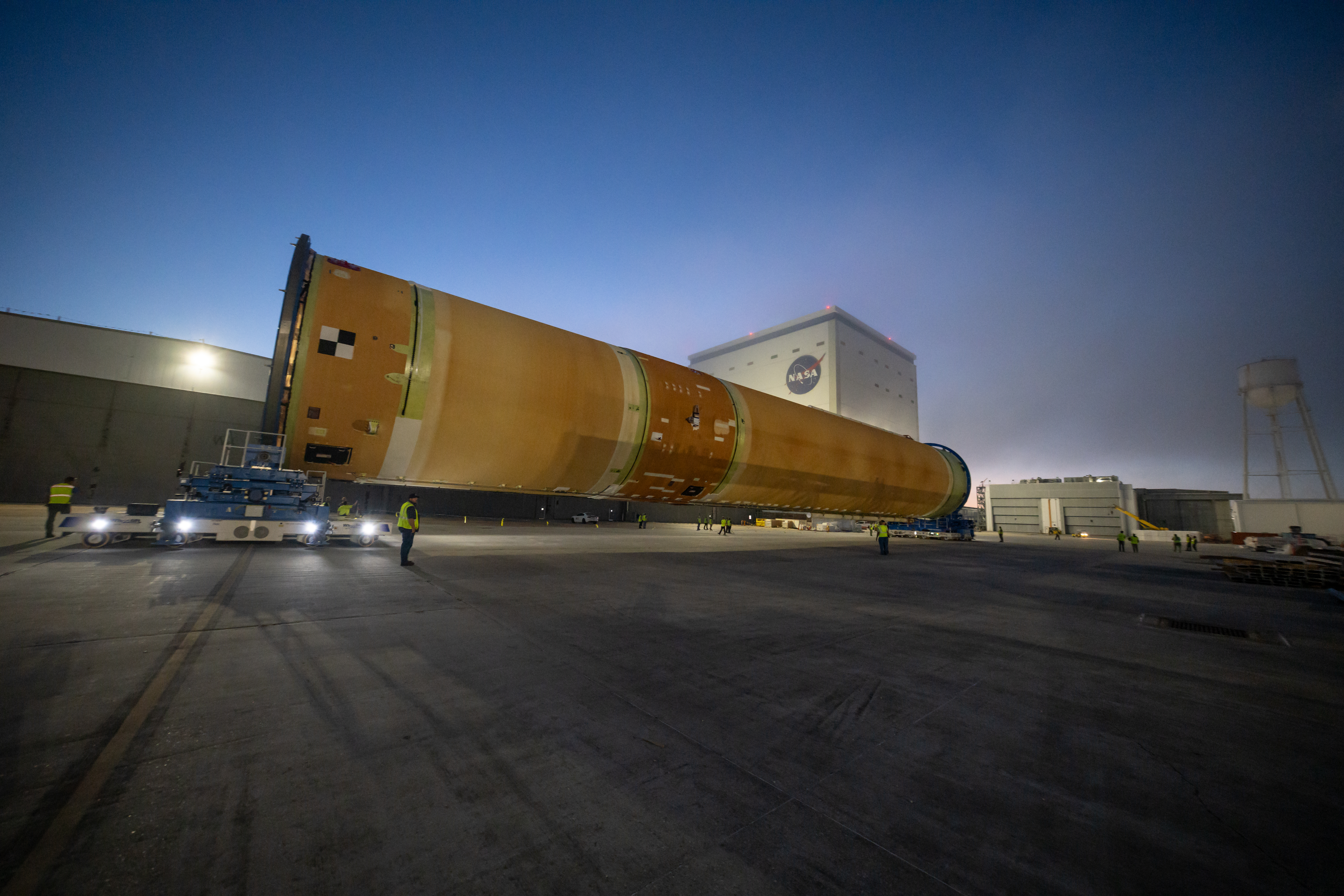
NASA will roll the largest section of the agency’s SLS (Space Launch System) rocket, which will launch the second crewed Artemis mission, out of the agency’s Michoud Assembly Facility in New Orleans on Monday, April 20. What’s called the top four-fifths of the SLS core stage – the section containing the liquid hydrogen tank, liquid oxygen tank, intertank, and forward skirt – will be loaded on the agency’s Pegasus barge for delivery to NASA’s Kennedy Space Center in Florida.
Media will have the opportunity to capture images and video, hear remarks from agency and industry leadership, and speak with NASA subject matter experts and Artemis industry partners as crews move the rocket stage to the Pegasus barge.
This event is open to U.S. media, who must apply by Wednesday, April 15. Interested media must contact Jonathan Deal at jonathan.e.deal@nasa.gov and Craig Betbeze at craig.c.betbeze@nasa.gov. Registered media will receive confirmation and additional information about the event by email. The agency’s media credentialing policy is available online.
Once at NASA Kennedy, teams will complete the stage outfitting and vertical integration before handing the hardware over to the agency’s Exploration Ground Systems Program that will handle stacking and launch preparations. The Artemis III SLS engine section and boat-tail, which protects the engines during launch, moved from the Space Systems Processing Facility at NASA Kennedy to the Vehicle Assembly Building in July 2025. The four core stage RS-25 engines are scheduled to ship from NASA’s Stennis Space Center in Bay St. Louis, Mississippi no later than July 2026 for integration into the engine section.
The rocket stage with its four RS-25 engines will provide more than 2 million pounds of thrust to send astronauts aboard the Orion spacecraft for the Artemis III mission. Artemis III currently is scheduled for launch in 2027, following the successful Artemis II test flight mission around the Moon that concluded April 10.
Building, assembling, and transporting the core stage is a collaborative process for NASA, Boeing, the core stage lead contractor, and lead RS-25 engines contractor L3Harris Technologies. The core stage is the backbone of the SLS rocket. All five major structures for the rocket stage are manufactured at NASA Michoud. By optimizing space at NASA Kennedy and NASA Michoud for production, integration, and outfitting, NASA and industry can streamline production for a standardized SLS configuration for NASA’s Artemis program.
The Artemis III mission will launch to Earth’s orbit American astronauts in the Orion spacecraft on top of the SLS rocket to test rendezvous and docking capabilities between Orion and commercial spacecraft needed to land astronauts on the Moon in 2028. The SLS rocket is the only rocket capable of sending Orion, astronauts, and supplies to the Moon in a single launch.
Artemis III is the second crewed mission under the agency’s Artemis program, where NASA is sending astronauts on increasingly difficult missions to explore more of the Moon for scientific discovery, economic benefits, establish an enduring human presence on the lunar surface, and build on our foundation for the first crewed missions to Mars.
Learn more about NASA’s Artemis program:
-end-
James Gannon
Headquarters, Washington
202-664-7828
james.h.gannon@nasa.gov
Jonathan Deal
Marshall Space Flight Center, Huntsville, Ala.
256.631.9126
jonathan.e.deal@nasa.gov
NASA Announces 32nd Annual Human Exploration Rover Challenge Winners
NASA’s 32nd annual Human Exploration Rover Challenge, one of the agency’s longest-standing student challenges, culminated April 10-11 with its final excursion event at the U.S. Space & Rocket Center near NASA’s Marshall Space Flight Center in Huntsville, Alabama.
Spanning nine months, the challenge tasks student teams from around the world to design, build, and test a lunar rover powered by either human pilots or remote control. The annual competition concluded with an awards ceremony recognizing the top-performing teams.
To view this video please enable JavaScript, and consider upgrading to a web browser that supports HTML5 video
This video highlights student teams from around the world that competed in NASA’s 2026 Human Exploration Rover Challenge, held April 10–11 at the U.S. Space & Rocket Center near the agency’s Marshall Space Flight Center in Huntsville, Alabama. Teams navigated a challenging obstacle course and completed complex mission tasks using human-powered and remote-controlled rovers.NASAIn the human-powered division, Parish Episcopal School in Dallas, Texas earned first place in the high school division, while the University of Central Missouri in Warrensburg, Missouri, won the college and university title. In the remote-control division, Gould Academy in Bethel, Maine, earned the top award in the middle and high school division, and The University of Alabama in Huntsville in Huntsville, Alabama, secured the college and university title.
More than 500 students representing 42 teams from around the world participated in the 32nd annual competition. Teams included students from 28 colleges and universities, 13 high schools, and one middle school across 18 U.S. states, Puerto Rico,
Teams were scored on their ability to navigate a half-mile obstacle course, complete mission-specific task challenges, and pass multiple safety and design reviews conducted by NASA engineers, with awards presented across human-powered and remote-control divisions.
“This challenge gives students a hands-on opportunity to think like engineers and problem-solvers, applying real-world design principles to complex exploration scenarios,” said Vemitra Alexander, who leads the Human Exploration Rover Challenge for NASA’s Office of STEM Engagement at Marshall. “By encouraging innovation and teamwork, we’re helping prepare the next generation to contribute to missions that will take us farther into space.”
Here is the full list of winners:
Human-Powered High School Division- First Place: Parish Episcopal School, Dallas, Texas
- Second Place: Kealakehe High School, Kailua-Kona, Hawaii
- Third Place: Debbie Smith Career and Technical Education Academy, Reno, Nevada
- First Place: University of Central Missouri, Warrensburg, Missouri
- Second Place: Rhode Island School of Design, Providence, Rhode Island
- Third Place: The University of Alabama in Huntsville, Huntsville, Alabama
- First Place: Gould Academy, Bethel, Maine
- Second Place: SoulPhamm, South Plainfield, New Jersey
- Third Place: Space and Engineering Technologies Academy, San Antonio, Texas
- First Place: The University of Alabama in Huntsville, Huntsville, Alabama
- Second Place: South Dakota State University, Brookings, South Dakota
- Third Place: Florida Atlantic University, Boca Raton, Florida
- Gould Academy, Bethel, Maine
- Remote-Control
- Middle School/High School Division: Gould Academy, Bethel, Maine
- College/University Division: The University of Alabama in Huntsville, Huntsville, Alabama
- Human-Powered
- High School Division: Parish Episcopal School, Dallas, Texas
- College/University Division: Rhode Island School of Design, Providence, Rhode Island
- Queen’s University, Kingston, Ontario, Canada
- Human-Powered
- High School Division: Parish Episcopal School, Dallas, Texas
- College/University Division: Rhode Island School of Design, Providence, Rhode Island
- Remote-Control
- Middle School/High School Division: Gould Academy, Bethel, Maine
- College/University Division: University of the District of Columbia, Washington, D.C.
- Human-Powered
- High School Division: Parish Episcopal School, Dallas, Texas
- College/University Division: University of Central Missouri, Warrensburg, Missouri
- Remote-Control
- Middle School/High School Division: SoulPhamm, South Plainfield, New Jersey
- College/University Division: The University of Alabama in Huntsville, Huntsville, Alabama
- Human-Powered
- High School Division: Erie High School, Erie, Colorado
- College/University Division: Instituto Tecnológico de Santo Domingo, Santo Domingo, Dominican Republic
- Remote-Control
- Middle School/High School Division: Gould Academy, Bethel, Maine
- Human-Powered
- High School Division: Debbie Smith Career and Technical Education Academy, Reno, Nevada
- College/University Division: Universidad Aeronáutica en Querétaro, Coyote, Mexico
- Remote-Control
- Middle School/High School Division: Chaminade High School, Mineola, New York
- College/University Division: ATLAS SkillTech University, Mumbai, India
- Human-Powered
- High School Division: Albertville Innovation Academy, Albertville, Alabama
- College/University Division: Instituto Tecnológico de Santo Domingo, Santo Domingo, Dominican Republic
- Remote-Control
- Middle School/High School Division: Space and Engineering Technologies Academy, San Antonio, Texas
- College/University Division: ATLAS SkillTech University, Mumbai, India
- Instituto Tecnológico de Santo Domingo, Santo Domingo, Dominican Republic
- The University of Alabama in Huntsville (Human Powered), Huntsville, Alabama
- Human-Powered
- High School Division: Kealakehe High School, Kailua-Kona, Hawaii
- College/University Division: The University of Alabama in Huntsville, Huntsville, Alabama
- Remote-Control
- Middle School/High School Division: Gould Academy, Bethel, Maine
- College/University Division: Campbell University, Buies Creek, North Carolina
- High School Division: Parish Episcopal School, Dallas, Texas
- College/University Division: University of Central Missouri, Warrensburg, Missouri
- High School Division: Erie High School, Erie, Colorado
- College/University Division: Campbell University, Buies Creek, North Carolina
- Campbell University, Buies Creek, North Carolina
The rover challenge is one of NASA’s eight Artemis Student Challenges reflecting the goals of the Artemis program, which will land Americans on the Moon while establishing a long-term presence for science and exploration, preparing for future human missions to Mars. NASA uses such challenges to encourage students to pursue degrees and careers in the fields of science, technology, engineering, and mathematics.
The competition is managed by NASA’s Office of STEM Engagement at NASA Marshall. Since its inception in 1994, more than 15,000 students have participated – with many former students working at NASA, or within the aerospace industry.
Learn more about the Human Exploration Rover Challenge.
Share Details Last Updated Apr 13, 2026 EditorLee MohonContactLance D. Davislance.d.davis@nasa.govLocationMarshall Space Flight Center Related TermsNASA Awards Data Engineering, Informatics Support Contract
NASA has selected Development Seed of Washington to provide research and development services to the Office of Data Science and Informatics (ODSI) at the agency’s Marshall Space Flight Center in Huntsville, Alabama.
The award is a performance-based, indefinite-delivery/indefinite-quantity contract with a maximum potential value of $76 million. A phase-in period begins on May 15, 2026, followed by a two-year base ordering period, with three one-year options to extend services through June 2031.
Under the contract, Development Seed will provide scientific research and development support services for ODSI projects, including system architecture expertise, operations and maintenance of ODSI-developed tools and platforms, and systematic approaches to data curation, management, and stewardship. The contractor also will provide subject matter expertise in informatics, data science, and information management, as well as develop and deploy artificial intelligence and machine learning solutions to advance science data systems.
For information about NASA and agency programs, visit:
-end-
Jennifer Dooren / Jessica Taveau
Headquarters, Washington
202-358-1600
jennifer.m.dooren@nasa.gov / jessica.c.taveau@nasa.gov
Molly Porter
Marshall Space Flight Center, Huntsville, Ala.
256-424-5158
molly.a.porter@nasa.gov