NASA News

What Are Ames’ Contributions to Artemis II?
6 min read
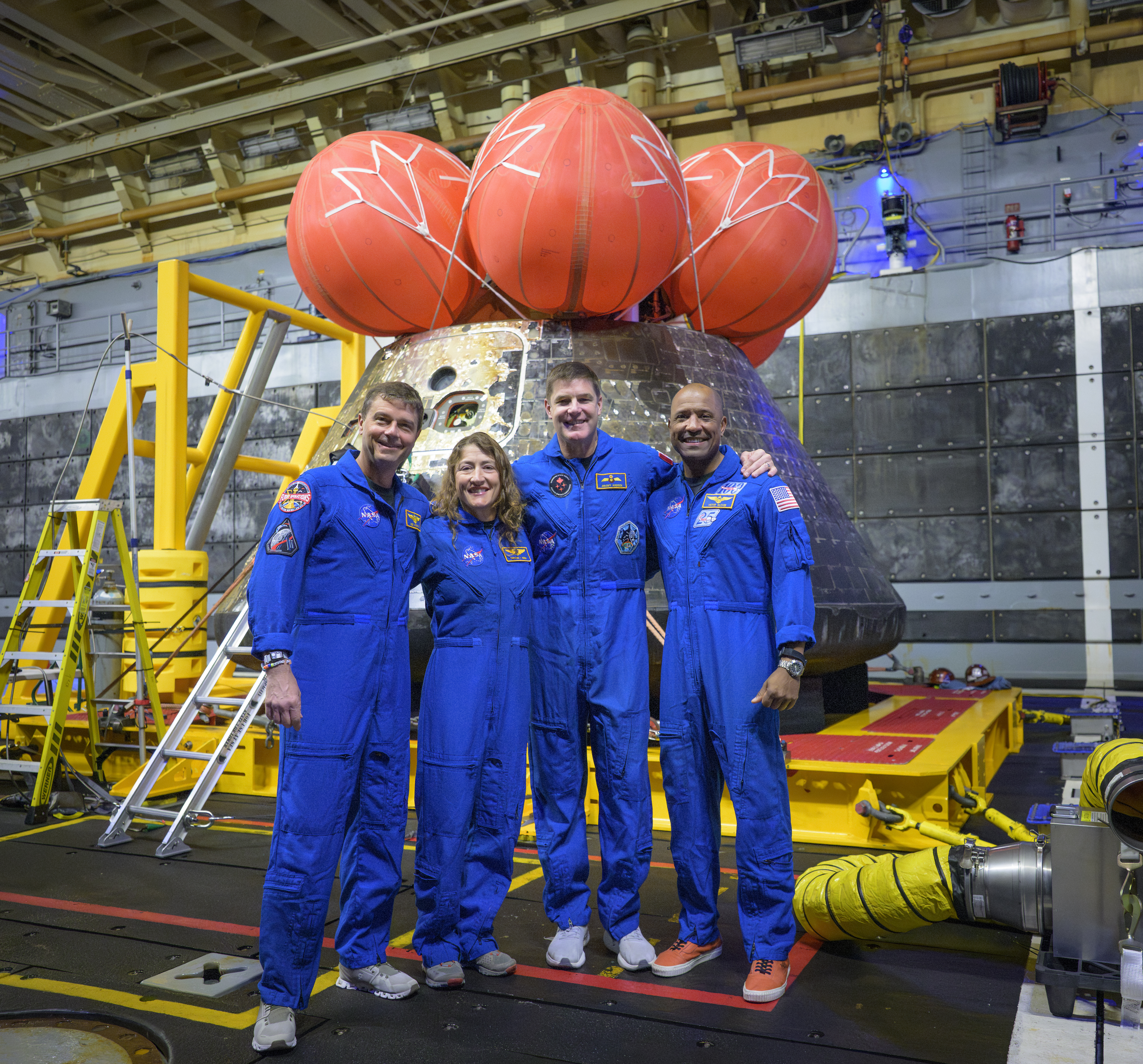
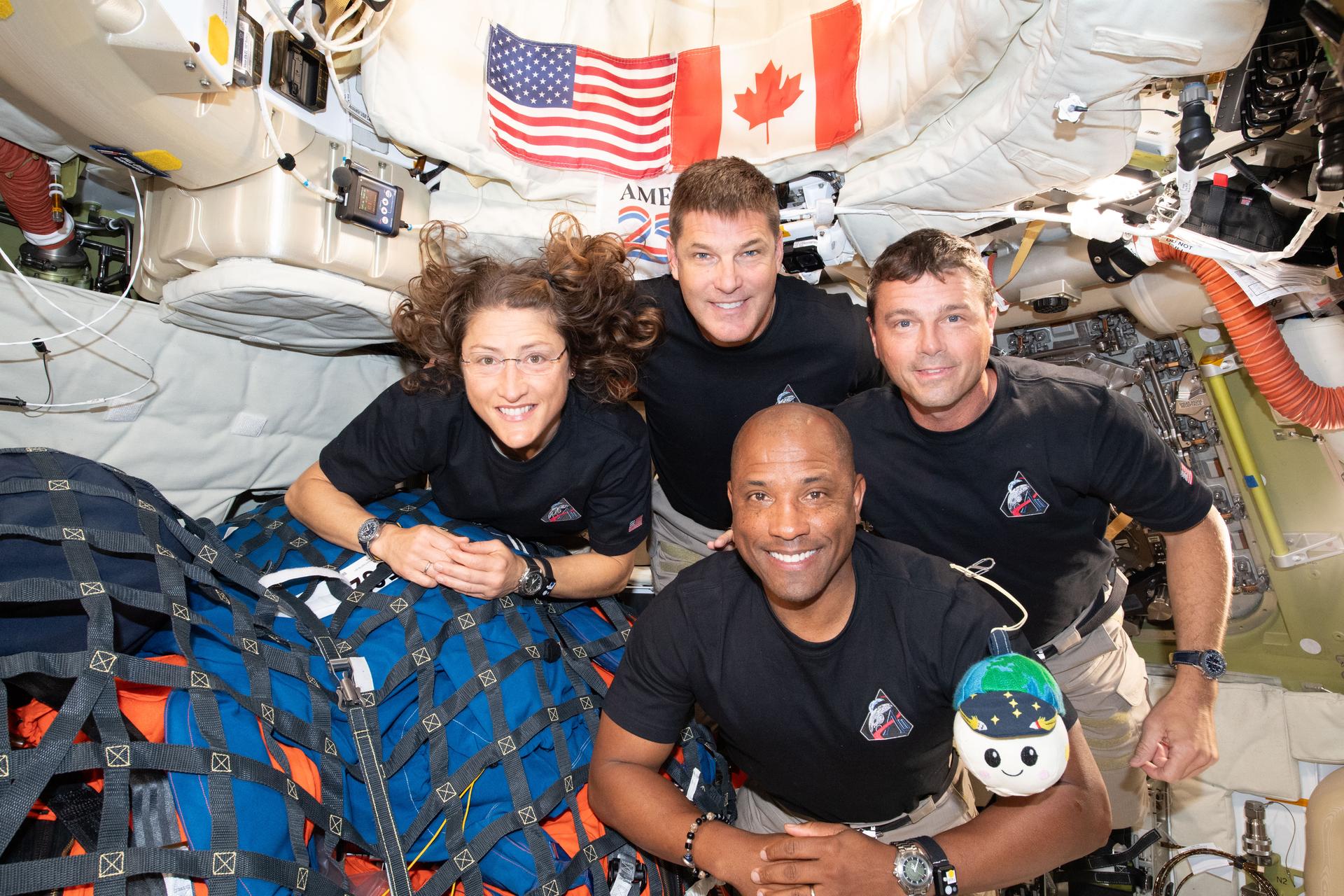
Preparations for Next Moonwalk Simulations Underway (and Underwater) NASA Artemis II astronauts Reid Wiseman, commander, left; Christina Koch, mission specialist; CSA (Canadian Space Agency) astronaut Jeremy Hansen, mission specialist; and NASA astronaut Victor Glover, pilot, right, pose for a group photo after viewing the Orion spacecraft in the well deck of the USS John P. Murtha, Saturday, April 11, 2026, in the Pacific Ocean off the coast of California. The quartet splashed down Friday, April 10, at 5:07 p.m. PDT (8:07 p.m. EDT).NASA/Bill IngallsNASA successfully sent four astronauts around the Moon for the first time in more than 50 years, setting the stage for future lunar landing missions. As the agency continues to push the bounds of space exploration, NASA’s Ames Research Center in California’s Silicon Valley provided essential support in preparing for the mission.
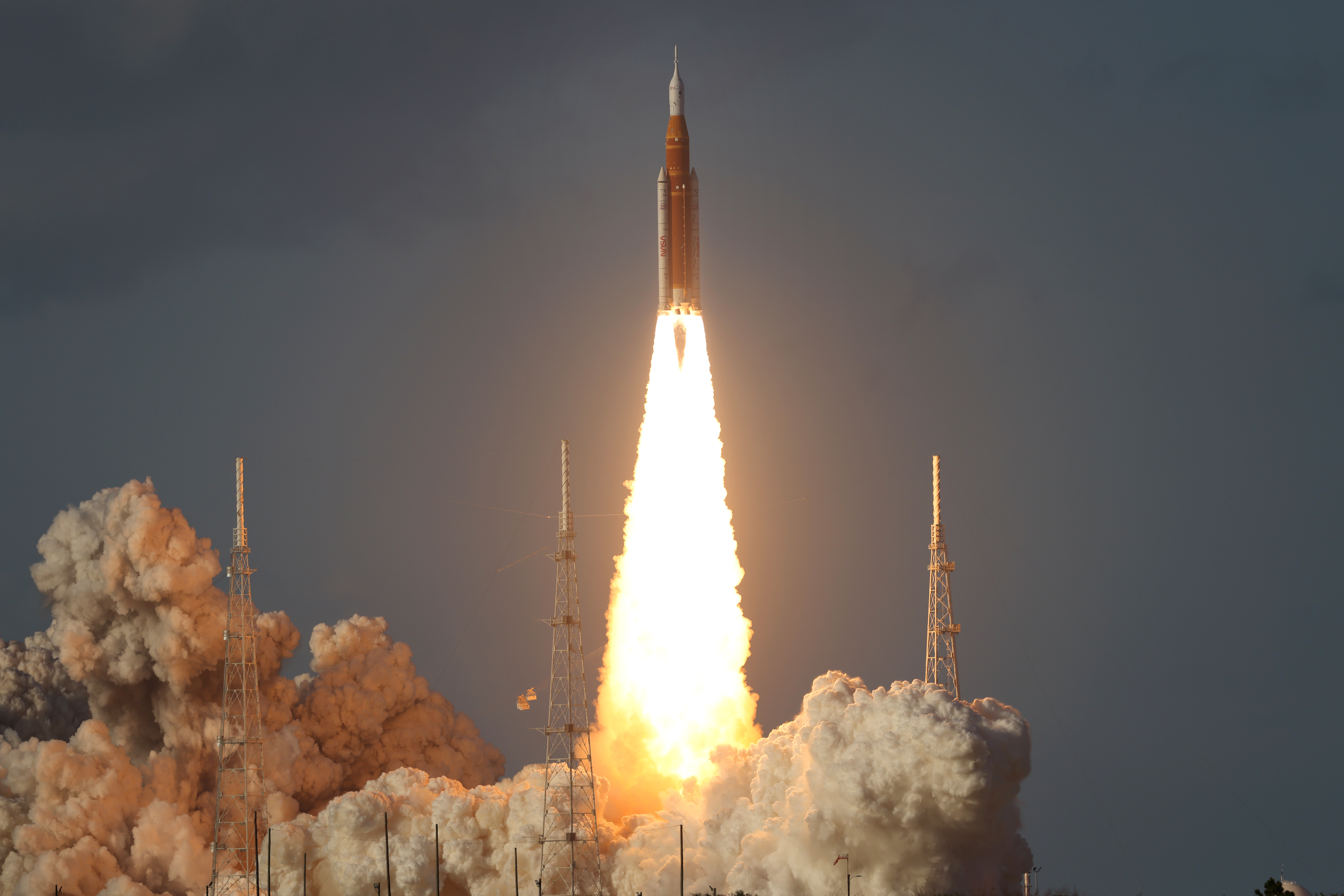
Artemis II was the first crewed test flight under NASA’s Artemis program. Launching on April 1, 2026, the mission demonstrated systems and hardware needed for deep space missions. Four astronauts – NASA’s Reid Wiseman, Victor Glover, and Christina Koch, and CSA’s (Canadian Space Agency) astronaut Jeremy Hansen – spent approximately 10 days traveling around the Moon and back inside the Orion spacecraft. The test flight built on lessons learned and results from the uncrewed test flight of Artemis I, which launched on November 16, 2022.
Ames continued to build on its contributions from Artemis I, advancing research, engineering, science, and technology for Artemis II.
Orion SpacecraftAfter the crew set eyes on the far side of the Moon, making observations that will help us prepare for future lunar exploration, they began a four-day journey home. Orion returned home to Earth on a free return trajectory, being naturally pulled back by Earth’s gravity and entering the atmosphere at about 25,000 mph. Its heat shield protected the spacecraft from temperatures up to 5,000 degrees Fahrenheit during reentry.
NASA learned from Artemis I that Orion’s heat shield experienced more char loss than expected, caused by internal gas buildup during reentry. While Artemis I was uncrewed, flight data showed that had crew been aboard, they would have been safe. Engineers used revised analysis methods and extensive arc jet material testing to help understand root cause, reproduce the char loss, and ensured the heat shield would perform as intended during Orion’s return to Earth on a modified trajectory.
Ames engineers and researchers developed a suite of sensors to provide heat shield performance data during reentry, including temperature and pressure information. Ames also contributed to Orion’s 3D-MAT compression pads, which connect the crew module to the service module. This technology maintains strength under extreme heat while insulating the spacecraft. Developed through collaboration with small businesses, 3D-MAT demonstrates how NASA innovations can impact human spaceflight and beyond.
Understanding the heating conditions Orion faced during reentry as well as potential abort scenarios was key to mission success. The Ames Aerosciences team provided support in these key aerothermal simulations and developed an innovative tool that combines onboard pressure sensor data from Orion with advanced computer modeling. The result predicted the spacecraft’s path back to Earth more accurately, making reentry safer, more precise, and improving mission confidence.
Space Launch SystemThe SLS rocket experienced higher-than-expected vibrations near the solid rocket booster attach points during Artemis I, caused by unsteady airflow between the boosters and the core stage. To address this, engineers added four strakes – thin, fin-like structures – to the SLS core stage for Artemis II. These strakes change the airflow and reduce vibration, improving safety during ascent. Ames, in collaboration with other centers, played a key role in validating this solution through supercomputer modeling and advanced wind tunnel testing using Unsteady Pressure Sensitive Paint and high-speed cameras.
The team also reviewed potential debris impacts and analyzed the impact of strengthening parts of the vehicle after larger-than-expected debris was observed during Artemis I. Ames engineers also supported launch operations by monitoring aerodynamic data and debris analysis in real time.
This collaboration between wind tunnel engineers, data visualization scientists, and software developers delivered a quick, cost-effective solution that combines physical testing with computational modeling, building on NASA Ames’s history of using supercomputer simulations to further testing and research across the agency. The result is a refined rocket designed and optimized for Artemis II’s historic journey.
Ames funding through the Small Business Innovation Research / Small Business Technology Transfer (SBIR/STTR) program also led to new innovations that supported both Orion and SLS, including advanced material design, software development, safety sensors, and acoustic modeling.
ScienceAs members of the Artemis II lunar science team, Ames scientists worked with flight operations at NASA’s Mission Control Center at the agency’s Johnson Space Center in Houston to lead and guide the Artemis II crew through the mission’s lunar observations. Key science objectives included studying lunar color, impact history, tectonic features, and future landing sites, as well as characterizing dynamic events such as impact flashes.
The Ames scientists have been members of a team that trained the Artemis II crew over several years to use their eyes – remarkably sensitive instruments – to observe, describe, and interpret geologic variations in lunar features during the flyby. After launch, a timeline of targeted observations built by the lunar science team guided the crew to describe and photograph specific lunar targets, including craters, volcanic formations, and surface colorations. These firsthand observations, paired with imagery from Orion, create a unique dataset to inform future human exploration of the Moon.
Mission AssuranceAmes also supported mission assurance through its Mission and Fault Management team, which helps the agency anticipate and respond to potential problems by testing systems, verifying software, and creating tools to detect issues early through simulation and scenario testing.
The Cross-Program Integrated Data Systems team at Ames developed a suite of software products to support flight readiness, risk assessment, and decision making up to the moment of launch.
During Artemis II, Ames experts served as backup console operators and contributed to real-time analysis, helping NASA respond quickly to unexpected conditions. These efforts strengthened the reliability of critical systems and reduced risk for the crew.
Ames experts are heavily involved in the post-flight data analysis effort assessing the performance of the Mission and Fault Management logic during the Artemis II flight.
Learn more:
Ames contributions to Artemis I: https://www.nasa.gov/missions/artemis/what-are-ames-contributions-to-artemis-i/
For news media:
Artemis II press kit: https://www.nasa.gov/artemis-ii-press-kit/
Members of the news media interested in covering this topic should reach out to the NASA Ames newsroom.
Share Details Last Updated Apr 21, 2026 Related Terms Explore More 5 min read Artemis II Mission Milestones: An Image and Video Recap Article 10 hours ago 4 min read NASA Invests in Small Businesses Innovating for Space and EarthContinuing NASA’s longtime support of American industry, the agency announced its selection of more than…
Article 17 hours ago 5 min read NASA at SXSW: Johnson Director Vanessa Wyche on Why Artemis Changes Everything Article 17 hours ago Keep Exploring Discover More Topics From NASAAmes Research Center
Artemis II
Exploration Systems Development Mission Directorate
Visit Ames Research Center
NASA Wins Two Webby Awards, Five Webby People’s Voice Awards
2 min read
Preparations for Next Moonwalk Simulations Underway (and Underwater)NASA was recognized today by the 30th Annual Webby Awards with two Webby Awards and five Webby People’s Voice Awards, the latter of which are awarded by the voting public. Reflecting the tremendous growth of the Internet, The Webbys now honors excellence in 8 major media types: Websites & Mobile Sites; Video & Film; Advertising, Media & PR; Podcasts; Social & Games; Apps, Software & Immersive; Creators; and new this year, AI.
Since 1998, NASA has been nominated for more than 100 Webby Awards, winning 51 Webbys and 72 People’s Voice Awards.
Full List of NASA’s 30th Annual Webby Award WinsNASA’s Curious Universe Podcast | Earth Series
Webby Winner, People’s Voice Winner
Podcasts, Health, Science and Education (Limited Series and Specials)
NASA’s Webb Telescope and the Universe: Using Social Media to Connect Us All
Webby Winner, People’s Voice Winner
Social, Education and Science
NASA Astronauts Posts From Space
People’s Voice Winner
Social, Education and Science
Hearing Hubble
People’s Voice Winner
Apps, Software and Immersive, Science and Education
Houston We Have a Podcast | Artemis II: The Mission
People’s Voice Winner
Podcasts, Science and Education (Individual Episodes)
Established in 1996 during the web’s infancy, The Webbys is presented by the IADAS—a 3000+ member judging body. The Academy is comprised of Executive Members—leading Internet experts, business figures, luminaries, visionaries, and creative celebrities—and associate members who are former Webby winners, nominees and other internet professionals.
The Webby Awards presents two honors in every category—the Webby Award and the Webby People’s Voice Award. Members of the International Academy of Digital Arts and Sciences (IADAS) select the nominees for both awards in each category, as well as the winners of the Webby Awards. In the spirit of the open web, the Webby People’s Voice is chosen by the voting public, and garners millions of votes from all over the world.
A School of Mud Volcano Islands in Azerbaijan
- Earth
- Earth Observatory
- Image of the Day
- EO Explorer
- Topics
- More Content
- About
NASA on Track for Future Missions with Initial Artemis II Assessments
Following NASA’s Artemis II mission successfully splashing down on Earth, engineers started diving into detailed analysis of data to assess how key systems and subsystems on the Orion spacecraft, SLS (Space Launch System) rocket, and systems at the launch pad at the agency’s Kennedy Space Center in Florida performed. The Artemis II test flight successfully began a new era of exploration, laying the groundwork for the third Artemis mission next year, lunar surface missions, a Moon base, and future missions to Mars.
Orion spacecraft
After its 694,481-mile journey around the Moon and back, the agency’s Orion spacecraft successfully reentered Earth’s atmosphere and splashed down off the coast of San Diego on April 10. The crew and spacecraft were safeguarded by Orion’s thermal protection system as they traveled nearly 35 times the speed of sound during reentry. Initial inspections of the system found it performed as expected, with no unusual conditions identified. Diver imagery of the spacecraft’s heat shield initially taken after splashdown and further inspections on the recovery ship found the char loss behavior observed on Artemis I was significantly reduced, both in terms of quantity and size. Performance also was consistent with arc jet facility ground testing performed after Artemis I.
Airborne imagery of Orion’s crew module also was obtained during re-entry and will be reviewed in the coming weeks. This imagery will provide insight into the timing of when minimal char loss occurred as well as other heat shield data.
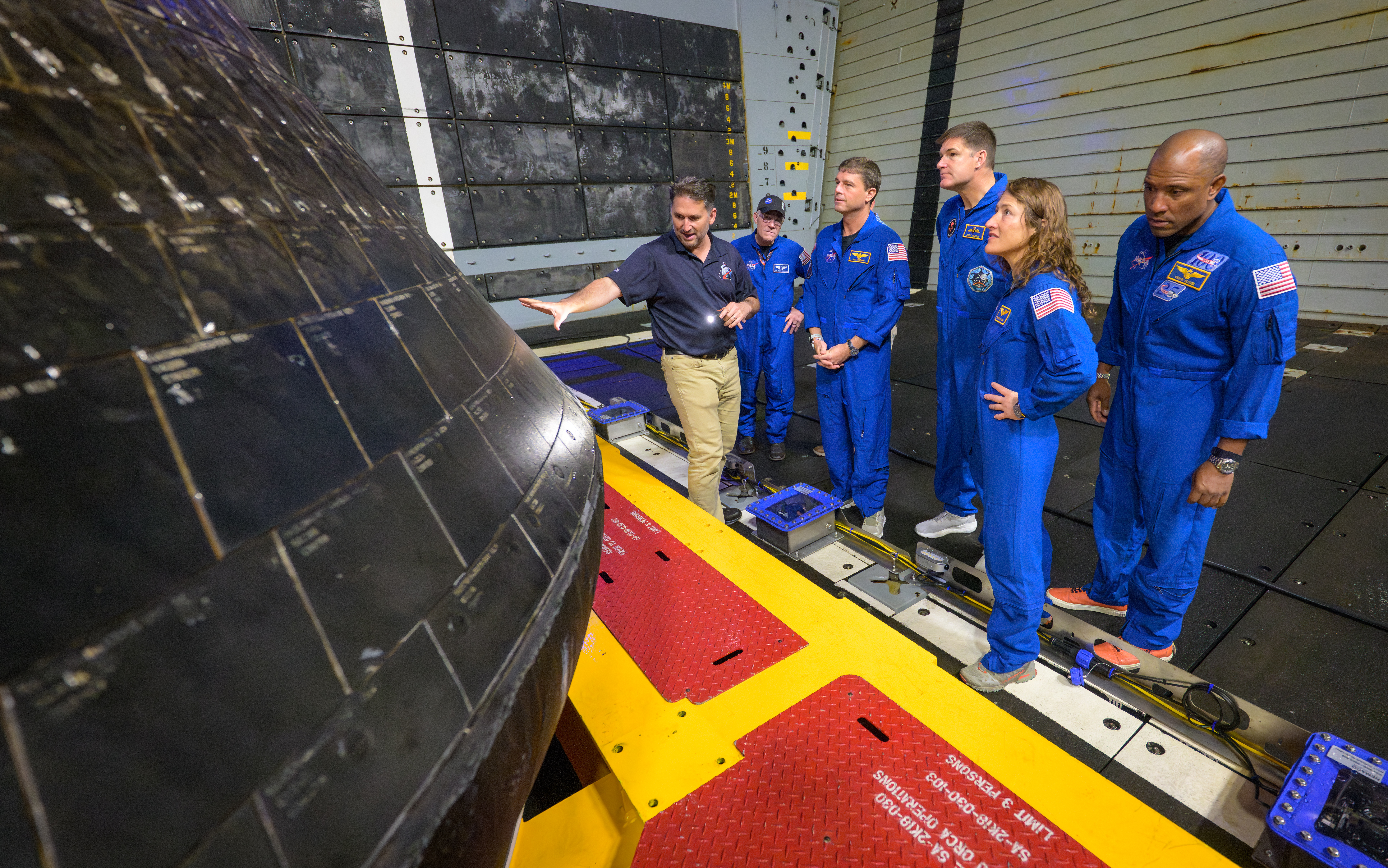
Luis Saucedo, NASA’s acting Orion vehicle integration manager, left, inspects the Orion spacecraft with Richard Scheuring, NASA Flight Surgeon, and NASA astronaut Reid Wiseman, CSA (Canadian Space Agency) astronaut Jeremy Hansen, and NASA astronauts Christina Koch and Victor Glover in the well deck of USS John P. Murtha, on Saturday, April 11, 2026, in the Pacific Ocean off the coast of California. Credit: NASA/Bill IngallsThe crew module is expected to return to NASA Kennedy this month for additional examination of the heat shield during Orion de-servicing in the Multi-Payload Processing Facility. Teams will conduct detailed inspections, retrieve post-flight data, remove reusable components such as avionics, and eliminate remaining hazards such as excess fuel and coolant.
Over the summer, the heat shield will be transported to NASA’s Marshall Space Flight Center in Huntsville, Alabama, for sample extraction and internal x-ray scans to provide further insight into the system and material behavior.
The ceramic tiles on the upper conical backshell of the crew module also performed as expected. Reflective thermal tape, which is expected to burn off upon re-entry, is still present in numerous locations. This reflective tape is used to help control vehicle temperatures while in space and serves no function for thermal protection upon re-entry.
Orion splashed down with precision, just 2.9 miles from the targeted landing site. Initial assessments showed entry interface velocity was within one mile-per-hour of predictions.
After splashdown, several Orion components were removed in San Diego for post flight analysis and future reuse prior to the spacecraft’s return to Kennedy. These items included seats, video processing units, crew module camera controllers, stowage containers and bags, and Orion Crew Survival System suit umbilicals.
The team currently is assessing the hardware and gathering data to support the post flight investigation of the urine vent line issue during the Artemis II mission. Teams will work to identify root cause and initiate corrective action for Artemis III.
America’s Moon rocket
The SLS rocket that launched the Artemis II mission also performed well, meeting its mission objectives for the test flight. While engineers continue studying the data, an early assessment indicates the rocket accurately placed Orion where it needed to be in space. At main engine cutoff, when the core stage’s RS-25 liquid engines shutdown, the spacecraft was traveling at over 18,000 miles per hour, achieving its insertion velocity for orbit, and executing a precise bullseye for its intended location.
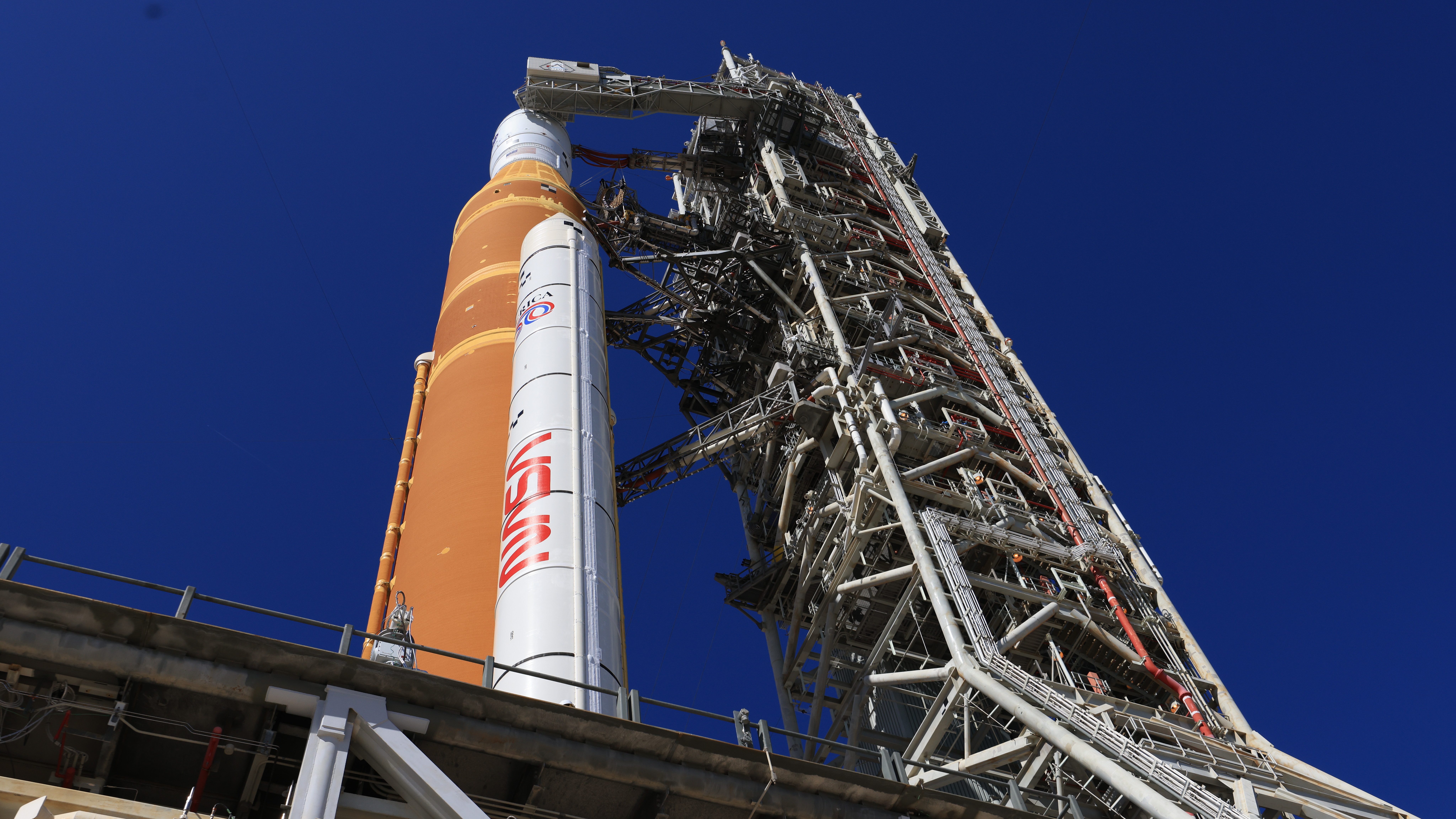
A side view shows one of the twin SLS (Space Launch System) solid rocket boosters, core stage, Orion spacecraft, and launch abort system of NASA’s Artemis II rocket at Launch Complex 39B at NASA’s Kennedy Space Center in Florida on Tuesday, Feb. 10, 2026.Credit: NASA/Ben SmegelskyExploration Ground Systems
Engineers conducted a detailed post-launch pad and mobile launcher assessment, following the launch of the Artemis II crew and rocket. Application of lessons learned from Artemis I to harden and reinforce ground support equipment at the pad proved successful as the mobile launcher and launch pad sustained minimal damage in the wake of the powerful booster ignition.
In addition to performing washdowns of the mobile launcher and pad ground systems immediately following launch, some components were made more rigid, like elevator doors, while others were made more compliant, such as gaseous distribution panels in the base of the mobile launcher, modified to flex with the blast effects. Other components were protected with blast-resistant walls or covers. These allowed the pneumatics system, which involves air and gas, to remain operational postlaunch and the critical cooling and washdown water flows to proceed.
Teams returned NASA’s mobile launcher that supported the integration and launch of the Artemis II rocket to NASA Kennedy’s Vehicle Assembly Building to undergo repairs and prepare for support of future Artemis missions.
The agency’s recovery teams, alongside their military partners, successfully conducted recovery operations after the safe splashdown of the crew inside their spacecraft. Navy divers retrieved each crew member and brought them aboard USS John P. Murtha before helping to recover the Orion spacecraft and return to Naval Base San Diego.
Using data from the first crewed mission under the Artemis program, NASA continues preparing the hardware and teams to launch and fly the Artemis III mission in 2027 ahead of subsequent missions to the Moon’s surface beginning in 2028.
To learn more about NASA’s exploration of the Moon, Mars, and beyond, visit:
Share Details Last Updated Apr 20, 2026 LocationNASA Headquarters Related TermsNASA Rolls Out Artemis III Moon Rocket Core Stage
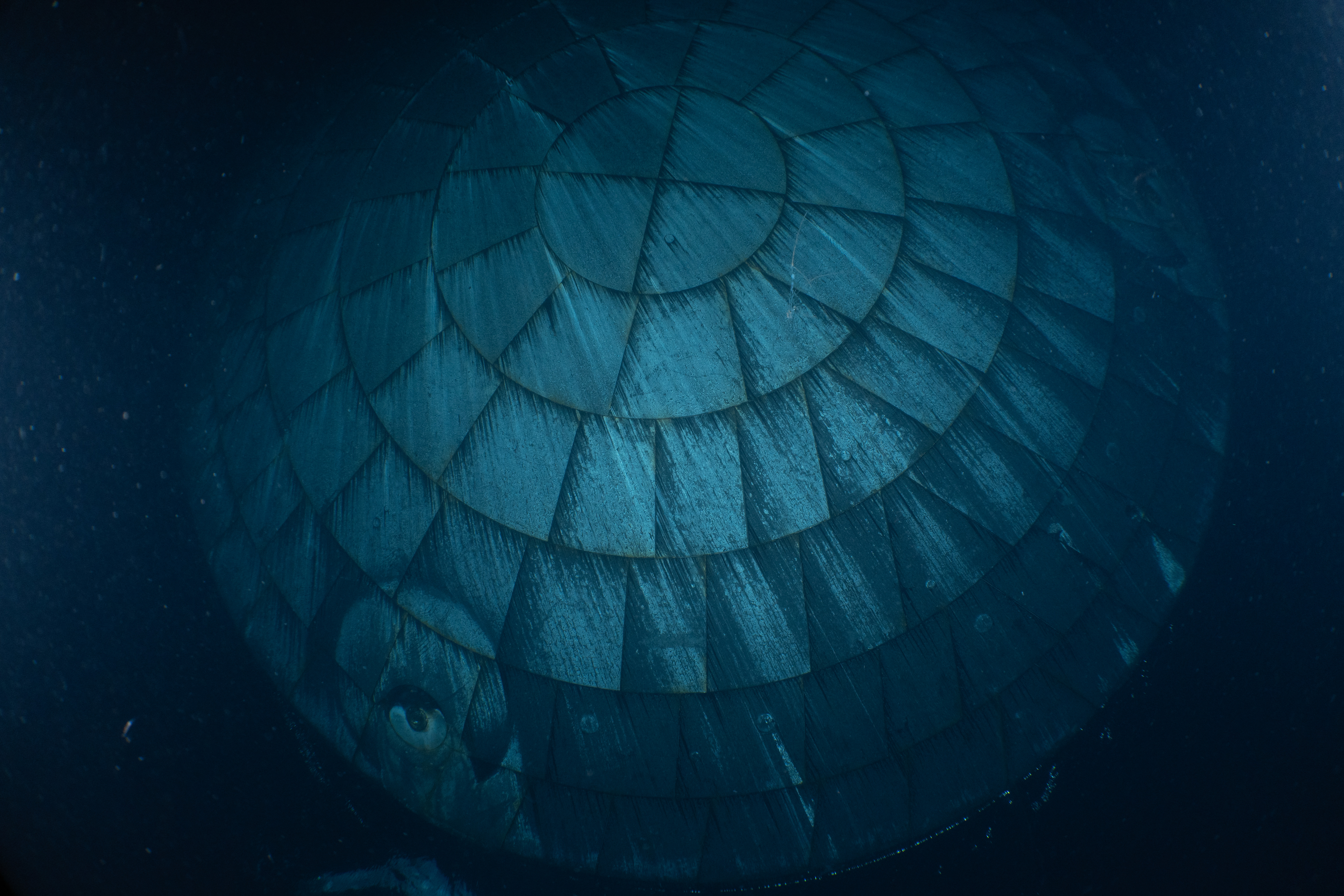
Following the recent successful test flight of NASA’s Artemis II mission around the Moon, NASA rolled out the core stage, or the largest section, of the agency’s SLS (Space Launch System) rocket that will launch the crewed Artemis III mission in 2027. The stage departed from the agency’s Michoud Assembly Facility in New Orleans on Monday for shipment to NASA’s Kennedy Space Center in Florida, marking key progress on the path to the agency’s first crewed lunar landing mission to the Moon under the Artemis program in two years.
Using highly specialized transporters, engineers maneuvered the top four-fifths of the SLS core stage, the section containing the liquid hydrogen tank, liquid oxygen tank, intertank, and forward skirt, from inside NASA Michoud to the agency’s Pegasus barge for delivery to NASA Kennedy. After arrival, teams will complete the stage outfitting and vertical integration, and the agency’s Exploration Ground Systems Program will stack the rocket’s components in preparation for launch.
“Seeing this SLS rocket hardware roll out is a powerful reminder of our progress toward returning humans to the lunar surface,” said Lori Glaze, acting associate administrator, Exploration Systems Development Mission Directorate at NASA Headquarters in Washington. “This is the backbone of Artemis III. As it heads to Florida for final integration, we are one step closer to testing the critical capabilities needed to land Americans on the Moon, and ultimately, paving the way for our first crewed missions to Mars.”
At 212 feet tall, the completed core stage will consist of the top four fifths of the rocket combined with its engine section. The top four-fifths include the two propellant tanks that collectively hold more than 733,000 gallons of super-chilled liquid propellant to fuel four RS-25 engines. During launch and flight, the fully integrated stage will operate for more than eight minutes, producing more than 2 million pounds of thrust to propel astronauts inside NASA’s Orion spacecraft into orbit.
Building, assembling, and transporting the core stage is a collaborative process for two of NASA’s prime contractors, Boeing and L3Harris Technologies. Boeing is responsible for the overall design and assembly of the core stage, and L3Harris manufactures the rocket’s RS-25 engines. Recent announcements by NASA Administrator Jared Isaacman enabled the agency to standardize the SLS configuration, streamline operations, and optimize production to accelerate the Artemis program.
Next year’s Artemis III mission will launch astronauts to Earth’s orbit aboard the Orion spacecraft on top of SLS to test rendezvous and docking capabilities between Orion and commercial spacecraft needed to land Artemis IV astronauts on the Moon in 2028. NASA’s SLS is the only rocket capable of sending Orion, astronauts, and supplies to the Moon in a single launch.
As part of the Golden Age of innovation and exploration, NASA will send Artemis astronauts on increasingly difficult missions to explore more of the Moon for scientific discovery, economic benefits, establish an enduring human presence on the lunar surface, and to build on our foundation for the first crewed missions to Mars.
Learn more about NASA’s Artemis program:
-end-
James Gannon
Headquarters, Washington
202-664-7828
james.h.gannon@nasa.gov
Jonathan Deal
Marshall Space Flight Center, Huntsville, Ala.
256-631-9126
jonathan.e.deal@nasa.gov
NASA Invites Media to SpaceX’s 34th Resupply Launch to Space Station
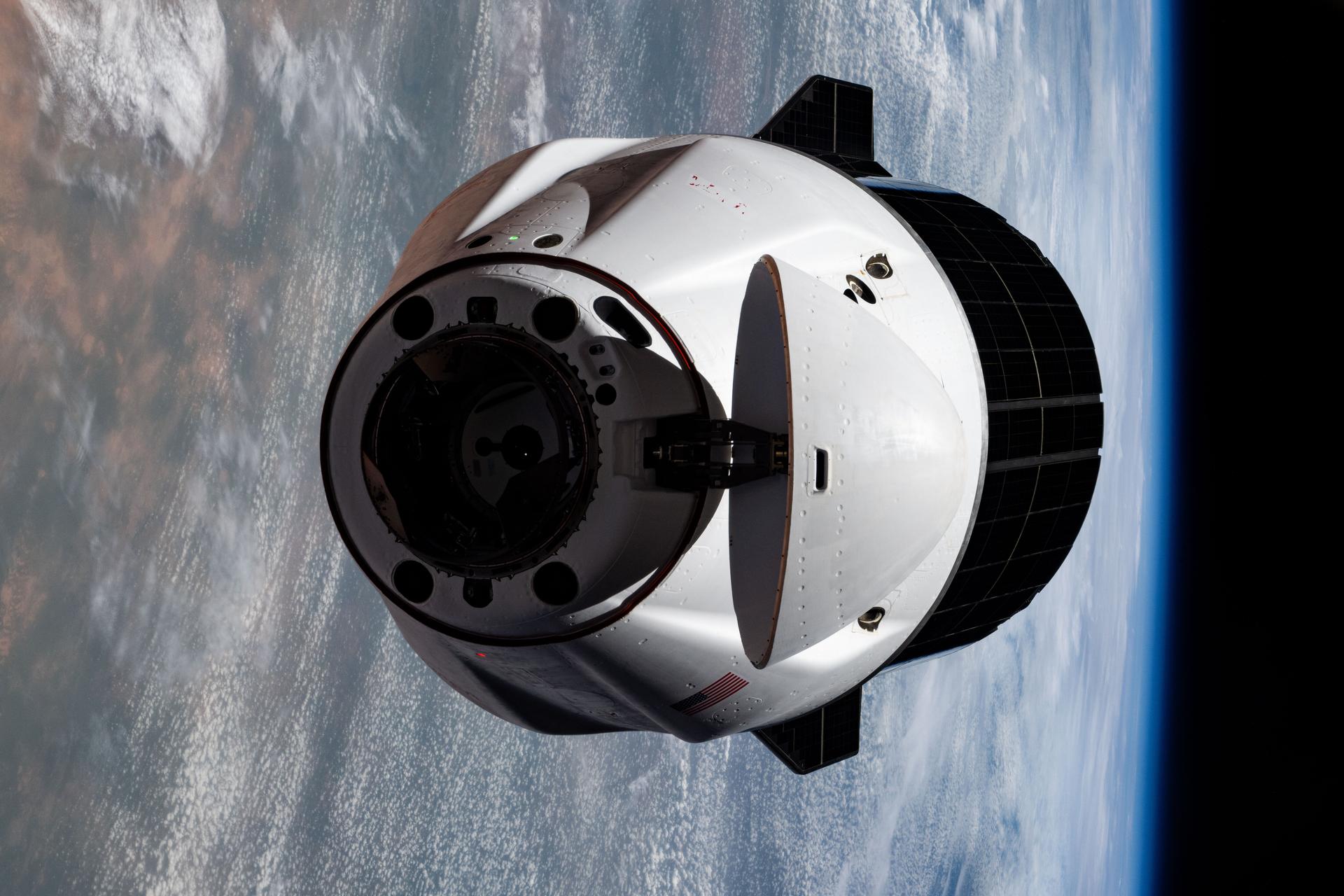
Media accreditation is open for the next U.S. launch to deliver NASA science investigations, supplies, and equipment to the International Space Station. This launch is the 34th SpaceX Commercial Resupply Services mission to the orbital laboratory for NASA and will lift off on the company’s Falcon 9 rocket.
NASA and SpaceX are targeting no earlier than Tuesday, May 12, to launch the SpaceX Dragon spacecraft from Space Launch Complex 40 at Cape Canaveral Space Force Station in Florida.
Credentialing to cover prelaunch and launch activities is open to United States media. The application deadline for U.S. citizens is 11:59 p.m. EDT, Wednesday, April 29. All accreditation requests must be submitted online at:
Credentialed media will receive a confirmation email after approval. NASA’s media accreditation policy is available online. For questions about accreditation, or to request special logistical support, email: ksc-media-accreditat@mail.nasa.gov. For other questions, please contact NASA’s Kennedy Space Center newsroom at: 321-867-2468.
Each resupply mission to the space station delivers scientific investigations in the areas of biology and biotechnology, Earth and space science, physical sciences, and technology development and demonstrations. Cargo resupply from U.S. companies ensures a national capability to deliver scientific research to the space station, increasing NASA’s ability to conduct new investigations aboard humanity’s laboratory in space.
In addition to food, supplies, and equipment for the crew onboard the station, Dragon will deliver several new experiments, including a project to determine how well microgravity simulators mimic microgravity conditions, a bone scaffold made from wood that could produce new treatments for fragile bone conditions like osteoporosis, and equipment to help researchers evaluate how red blood cells and the spleen change in space. The Dragon spacecraft also will carry a new instrument to monitor charged particles around the Earth that impact power grids and satellites, and an investigation that could provide a fundamental understanding of how planets form.
For more than 25 years, people have lived and worked continuously aboard the International Space Station, advancing scientific knowledge and making research breakthroughs that are not possible on Earth. The station is a testbed for NASA to understand and overcome the challenges of long-duration spaceflight, expand commercial opportunities in low Earth orbit, and prepare for deep space missions to the Moon, as part of the Artemis program, in preparation for future human missions to Mars.
Learn more about NASA’s commercial resupply missions at:
-end-
Josh Finch / Jimi Russell
Headquarters, Washington
202-358-1100
joshua.a.finch@nasa.gov / james.j.russell@nasa.gov
Amanda Griffin
Kennedy Space Center, Fla.
321-867-2468
amanda.griffin@nasa.gov
Sandra Jones
Johnson Space Center, Houston
281-483-5111
sandra.p.jones@nasa.gov
NASA Welcomes Latvia as Newest Artemis Accords Signatory
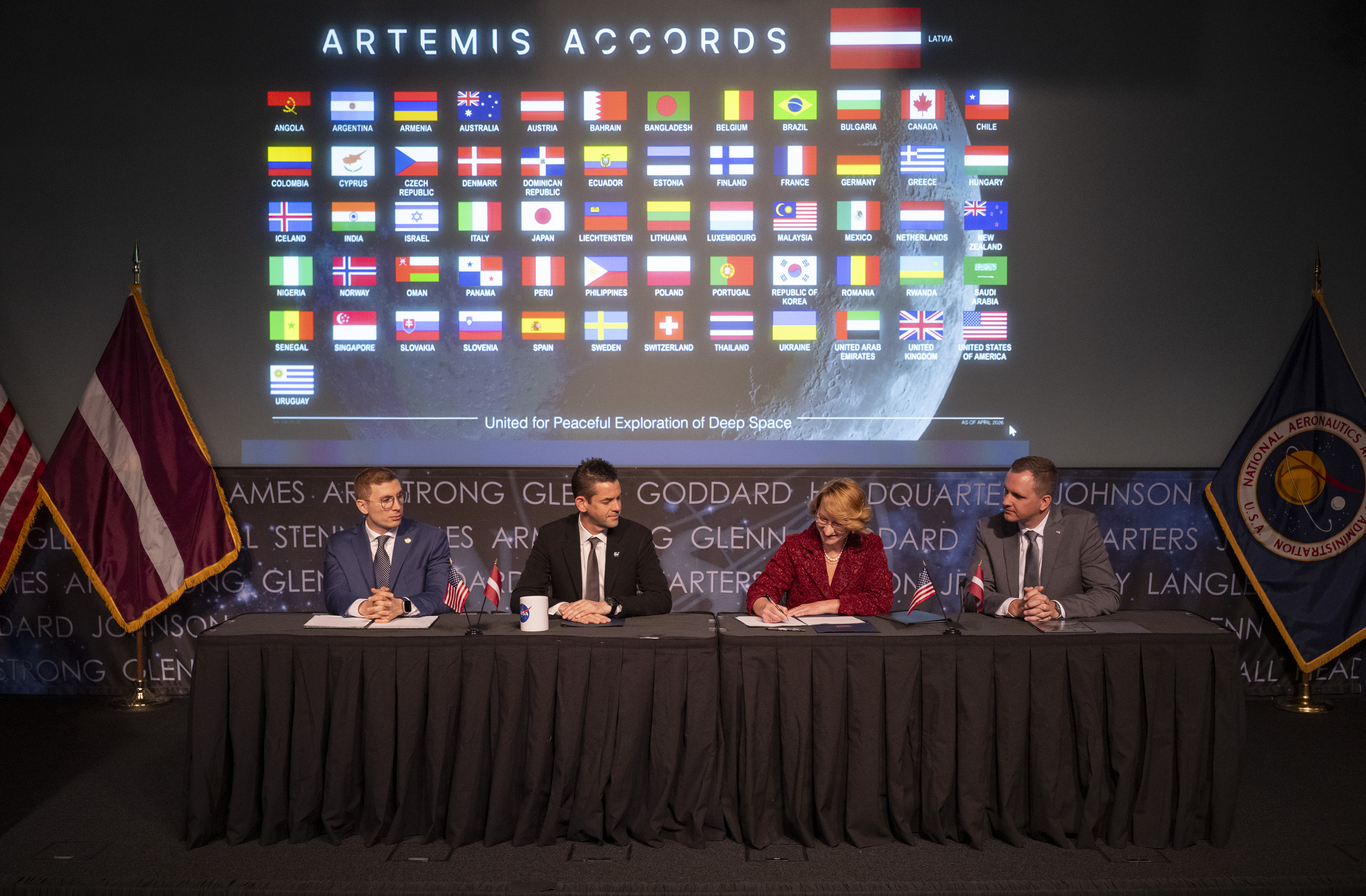
The Republic of Latvia signed the Artemis Accords Monday during a ceremony hosted by NASA at the agency’s headquarters in Washington, becoming the 62nd nation to commit to responsible space exploration for all humanity.
“We are proud to welcome Latvia to the Artemis Accords,” said NASA Administrator Jared Isaacman. “Each new signatory strengthens a coalition committed to the transparent and peaceful exploration of space. The accords are the foundation for real missions and real cooperation on the lunar surface, and Latvia’s commitment strengthens our shared vision for this next great era of exploration.”
Latvia’s Minister for Education and Science Dace Melbārde signed on behalf of the country. Chargé d’affaires a.i. at the Embassy of the Republic of Latvia to the United States Jānis Beķeris and U.S. Under Secretary of State for Economic Affairs Jacob Helberg also participated in the event.
“Today, Latvia aligns with a shared vision for humanity beyond Earth, grounded in international cooperation and the peaceful, transparent, and responsible exploration of outer space,” said Melbārde. “By joining the Artemis Accords, we make a clear commitment to these principles. Latvia already contributes to the global space ecosystem through its industry and research, and we look forward to the opportunity to deepen cooperation with the United States and NASA, contributing to future space activities under the Artemis framework. Participation in the Artemis Accords is also an investment in the development of our students, researchers, and innovators.”
Last month, NASA announced plans to return to the Moon routinely and affordably, establishing an enduring presence and building a sustained lunar base. More than 40 Artemis Accords countries across six continents sent representatives to Washington for the event, announcing new opportunities for exploration and science. The group represented more than two thirds of the current Artemis Accords signatories.
In 2020, during the first Trump Administration, the United States, led by NASA and the U.S. Department of State, joined with seven other founding nations to establish the Artemis Accords, responding to the growing interest in lunar activities by both governments and private companies. The accords introduced the first set of practical principles aimed at enhancing the safety and coordination between like-minded nations as they explore the Moon, Mars, and beyond.
Signing the Artemis Accords means committing to explore peaceably and transparently, to render aid to those in need, to enable access to scientific data that all of humanity can learn from, to ensure activities do not interfere with those of others, and to preserve historically significant sites and artifacts by developing best practices for space exploration for the benefit of all.
More countries are expected to sign the Artemis Accords in the months and years ahead, as NASA continues its work to establish a safe, peaceful, and prosperous future in space.
Learn more about the Artemis Accords at:
https://www.nasa.gov/artemis-accords
-end-
Camille Gallo / Elizabeth Shaw
Headquarters, Washington
202-358-1600
camille.m.gallo@nasa.gov / elizabeth.a.shaw@nasa.gov
Wheels Up for X-59
NASA’s X-59 quiet supersonic research aircraft flies over the Mojave Desert in California in this April 14, 2026, image. The transition to flying with wheels up is a key milestone and an important step in the experimental aircraft’s test campaign.
The X-59 has made its highest and fastest flights so far, expanding its operational range and making progress toward supersonic flight. In future flights, the team will also be looking at factors like the performance of its controls, loads and structural dynamics, and subsystems including hydraulics, fuel, avionics, landing gear, and more. They will also be monitoring the performance of the eXternal Vision System, the series of cameras located on the X-59 connected to a display in the cockpit. The system takes the place of a traditional forward windscreen.
NASA’s Quesst mission, which features the one-of-a-kind X-59 aircraft, will demonstrate technology to fly supersonic, or faster than the speed of sound, without generating loud sonic booms.
Keep up with the latest X-59 news on the NASA Quesst blog.
Image credit: NASA
Widely Attended Gatherings (WAGs) Determinations
2026
Space Policy Institute 4.29.26.pdf
Planetary Society APLU and AAU 4.21.26.pdf
41st Space Symposium-suppl 04.13-16.26
Space Symposium 2026 Events 4.13-16.26
2026 NSCFL Space Heroes and Legends Award Banquet 4.18.26
Newport News State of the City Event 4.13.26
Space Policy Institute Event 4.6.26
SpaceX Networking Reception 3.24.26
Maryland Space Business Roundtable (MSBR) 3.26.26
SIA_27th Annual Leadership Dinner 3.23.26
2026 Artemis Suppliers Conference 3.23-25.26
Ansys Government Initiatives Event_AGI 3.19.26
Homeland Security Week 3.17-18.26
Amazon Smithsonian and Space for Humanity Event 3.16.26
HLSR_NASA Night at the Rodeo 3.7.26
WIF Leadership Luncheon 3.4.26
2026 National Space Club Florida Committee Monthly Luncheon
Space Policy Institute Event 2.17.26
Maryland Space Business Roundtable_MSBR 2.11.26
2026 TSC Artemis II Pre-launch Reception 2.5.26
2026 VABA AAAAM Legislative Reception 2.4.26
Chamber of Commerce Summit 2.2.26
Cheniere Energy at the National Portrait Gallery 1.28.26
Leaders for a Better Louisiana at Adams and Reese 1.28.26
California Manufacturers and Technology Association Reception 1.23.26
Goddard Memorial Dinner 3.13.26
2026 Amentum Artemis II Rollout Reception 1.14.26
Maryland Space Business Roundtable 1.14.26
2025
Commercial Space Federation 12.9.25
Ansys Government Initiatives (AGI) 12.16.25
Maryland Space Business Roundtable (MSBR) 12.10.25
Space Policy Institute 10.21.2025
MSBR Space Business Roundtable 10.15.2025
76th International Astronautical Congress_IAC 9.29.25
2025 Von Braun Memorial Dinner 10.29.25
Space Foundation Reception 9.16.25
Evening with the Stars 9.10.25
Greater Houston Partnership Reception 6.12.25
Space Foundation and German Embassy Reception 6.5.25
H2M Conference and Events 5.28-29.25
American Rocketry Challenge Reception 5.17.25
Rockets on the Hill Reception 5.16.25
Dayton Development Coalition Event 5.13.25
2025 Space Heroes and Legends Gala
Thunderbird School and Global Management Reception
40th Space Symposium Main Events
SPI/GWU/USRA Symposium.3.27.25
Goddard Memorial Dinner.3.21.25
2025 Satellite Exhibition Event.3.10.25 to 3.13.25
67th Laureate Awards Dinner.3.6.25
Bae Systems SPHEREx Launch.2.27.25
2025 Artemis Suppliers Conference
Creole-Queen NOLA Reception.1.13.25
2025 New Glenn Mission 1 Launch Event
2025 Firefly Blue Origin Launch Reception
2024
Aero Club Award Dinner.12.13.24
Space Foundation Event.12.13.24
Commercial Space Federation Joint Event.12.9.24
The Arthur C. Clarke Foundation Event.11.21.24
Planet Labs PBC Reception.11.20.24
Blue Origin and KBR Dinner.10.30.24
36th Annual Dr. Wernher von Braun Memorial Dinner
2024 Keystone Space Conference
WIA Reception and Awards Dinner.10.10.24
2024 JPL Europa Clipper Launch Reception.10.8.24
AIA & Amazon Reception.8.26.24
Farnborough Air Show.7.20-21.24
Artemis II SLS Roll Out Reception.7.15.24
Astroscale Reception Tokyo.7.12.24
Brooke Owens Fellowship Dinner.7.11.24
Greater Cleveland Partnership.6.13-14.24
Coalition for Deep Space Exploration Return to the Moon.6.5.24
The 2024 Infinite Exhibit Grand Opening
AIA and German Embassy Reception.6.4.24
AIA and British Embassy Reception.5.22.24
Space Foundation Event.5.16.24
Foundation Fratelli Tutti Dinners.5.10-11.24
H2M Conference and Event.5.7-8.24
Crowell & Moring Reception.4.16.24
2024 Space Heroes and Legends Awards Dinner
SpaceX Symposium Reception.4.10.24
39th Space Symposium Supplemental
39th Space Symposium Main Events
Goddard Memorial Dinner.3.22.24
AIA and Amazon Reception.3.19.24
Embassy of Australia and Space Foundation.2.29.24
2024 Artemis Suppliers Conference
2024 Aerospace Days Legislative Reception
IDGA 17th Annual Event.1.23 – 24.24
Latino Biden-Harris Appointees Reception.1.11.24
2024 Axiom Space AX-3 Launch Reception
2023
2023 Astrobotic PM1 PreLaunch Reception
AERO Club Awards Dinner.12.15.23
SCL and GBM Foundation Reception.12.11.23
LASP and Ball Aerospace Reception.12.11.23
L Oreal USA for Women Event.11.16.23
KBR Welcome Reception.11.14.23
Museum of Natural History Board Events 11.2.23
2023 Von Braun Memorial Dinner
Planet Labs PBC Reception.10.26.23
WIA Reception and Award Dinner.10.12.23
National Space Club Banquet 2023
Space Foundation and Airbus.10.3.23
2023 VASBA HR AUVSI Gala and Symposium
AIA Congress Space Reception.9.7.23
Space Foundation Reception 7.19.23
Chamber of Commerce Reception.7.13.23
ECI Fellows Meeting.7.12 to 7.14.23
Embassy of Italy and Virgin Galactic.7.12.23
Brook Owens Fellowship Dinner 7.13.23
Comteck and Airbus Space Defense 07.11.23.
2023 Axiom Space AX-2 Launch Event WAG
AIAA Awards Gala Event 5.18.23
38th Space Symposium 4.16 to 4.20.23
Planet Labs PGC Reception.4.13.23
2023 TEMPO Pre-Launch Reception
Coalition for Deep Space Exploration SLS Orion EGS Gateway Suppliers 3.26.23
Orion SLS Conference 3.27 to 3.28.23
2023 Agency WAG Debus Award Banquet
VHMC And Boeing Reception 3.18.23
Ball Aerospace Kinship Reception 3.15.23
SpaceX Satellite Reception 3.13.23
Goddard Memorial Dinner 3.10.23
Space Foundation Event 2.16.23
BDB National Engineers Week 2023 Banquet
MSBR Lunch 2.28.23
STA Luncheon 2.7.23
WSBR Reception 2.1.23
SPI GWU SWF Reception 1.31.23
Artemis I Splashdown 01.17.23
MSBR Lunch 1.17.23
2022
GRC An Evening With the Stars 8.30.22
JPL 25 Years on Mars Reception 7.27.22
SPI GWU Dinner 7.6.22
Berlin Air Show 6.22-26.22
MSBR Lunch 6.21.22
KSC Gateway VIP Rception 6.14.22
MSBR Dinner Gala 6.10.22
NAA Robert J. Collier Awards Dinner 6.9.22
Advanced Space and Rocket Lab Capstone Event 6.8.22
AIA Challenger Center Reception 6.2.22
2022 H2M Summit 5.17-19.22
MSBR Lunch 5.17.22
FCW GovExec Awards Dinner 5.12.22
Meta Reception 5.4.22
JSC RNASA Luncheon and Dinner 4.29.22
Coalition for Deep Space Reception 4.28.22
SLS Orion EGS Suppliers Conference 4.28-29.22
SPI GWU Dinner 4.27.22
AIAA Awards Gala Dinner 4.27.22
MSBR Luncheon 4.19.2022
Arianespace Northrop Grumman JWST Reception 4.5.22
37th Space Symposium 4.4 to 7.22
Axiom Space Launch Event 3.30.22
Heinrich Boell Foundation Dinner 3.30.22
Aarianespace Reception 3.23.22
SIA Conference Events 3.21-23.22 Revised
Satellite Industry Association Reception 3.21.22
Goddard Memorial Dinner 3.18.22
GOES-T Post-Launch Reception 3.1.22
Goes-T L3 Harris Reception 3.1.22
Christopher Newport University Dinner 02.23.22
NG-17 CRS Launch Events VA 2.19.22
SPI GWU Dinner 02.04.2022
MSBR Dinner 01.18.2022
KSC CCTS Spaceport Summit 1.11-12.22
2021
JWST Launch 12.25.21
Aero Club Awards Reception 12.17.21
KSC NSC Celebrate Space 12.10.21
AGI Ansys Reception 12.10.21
KSC Ball Aerospace IXPE Launch Celebration Reception 12.7.21
WIA Awards Dinner 12.2.21
National Space Council Recognition Reception 12.1.21
SPI Dinner 11.16.21
AIAA ASCEND Event 11.15.21
AIAA Ascend 2021 Reception Dinner Las Vegs 11.14.21
KSC Astronaut Hall of Fame Event 11.13.21
KSC DNC Taste of Space Event 11.5.21
SPI Dinner 11.2.21
IAC Closing Gala 10.29.21
GRC Evening With The Stars 10.27.21
Goddard Memorial Awards Dinner 10.22.21
IAC 2021
Lucy Post Launch Dinner 10.16.21
KSC Lucy Launch Mission Events 10.12-13.21
United Airlines Reception 10.12.21
Blue Origin Launch 10.12.21
SPI Dinner on or about 9.28.21
Goddard Memorial Dinner 9.17.21 CANCELLED
SPI Dinner 9.7.21
RNASA Awards Dinner and Luncheon 9.3.21
GRC Evening With the Stars 8.31.21
FED100 Gala Awards Dinner 8.27.21
Addendum to 36th Space Symposium 8.22-26.21
36th Space Symposium 8.22-26.21
KSC ASF Innovators Gala 8.14.21
NG16 Launch Events 8.10.21
LaRC Virginia Space Reception 7.30.21
KSC 2021 Debus Award Dinner 7.30.21
Coalition for Deep Space 07.22.21
KSC Lockheed WAS Star Center Reception 7.15.21
2020
United Launch Alliance Satellite 2020 Reception 3.10.20
SpaceX Reception 3.9.20
U.S. Chamber of Commerce 2020 Aviation Summit 3.5.20
Maryland Space Business Roundtable Lunch 2.18.20
SLS Orion Suppliers Conference 2.12.20
Coalition for Deep Space Exploration Reception 2.11.20
Northrop Grumman NG-13 CRS Launch Events 2.9.20
VA UAS AeroSpace Legislative Reception 1.29.20
MSBR Lunch 1.21.20
Guidance Keough School of Global Affairs 1.16.20
Boeing Orbital Flight Test Launch Events 12.20.19
Virgin Space Reception 12.17.19
SEA Summit 12.17.19
Wright Memorial Dinner 12.13.19
Analytical Graphics AGI Reception 12.13.19
Ball Reception 12.10.19
MSBR Lunch 12.3.19
Plant Reception 11.20.19
JSC Spacecom Conference VIP Reception 11.20.19
JSC Spacecom Conference Reception 11.19.19
SAIC BSU STEM Roundtable 11.07.19
Apollo UK Productions Ltd 7.10.19
SpaceX Satellite Reception 5.6.19
SPI GWU Dinner 5.1.19
AIAA Reception 4.30.19
MSBR Lunch 1.21.20
MSBR Lunch 1.21.20
NASA’s Hubble Dazzles With Young Stars in Trifid Nebula
- Hubble Home
- Overview
- Impact & Benefits
- Science
- Observatory
- Team
- Multimedia
- News
- More
NASA, ESA, STScI; Image Processing: Joseph DePasquale (STScI)
This shimmering region of star-formation, a close-up of the Trifid Nebula about 5,000 light-years from Earth, was captured in intricate detail by NASA’s Hubble Space Telescope. The colors in Hubble’s visible light image, which marks the 36th anniversary of the mission’s launch on April 24, are reminiscent of an underwater scene filled with fine-grained sediments fluttering through the ocean’s depths.
Several massive stars, which are outside this field of view, have shaped this region for at least 300,000 years. (See them in a wider view.) Their powerful winds continue to blow an enormous bubble, a small portion of which is shown here, that pushes and compresses the cloud’s gas and dust, triggering new waves of star formation.
NASA celebrates Hubble’s 36th anniversary with a new image of the Trifid Nebula, a star-forming region it first captured in 1997. The telescope leveraged almost its full operational lifetime to show us changes in the nebula on human time scales with an improved camera. NASA, ESA, STScI; Image Processing: Joseph DePasquale (STScI)This isn’t the first time Hubble has gazed at this scene. The telescope observed the Trifid in 1997 and now, 29 years later, it has leveraged almost its full operational lifetime to show us changes in the nebula on human time scales. Why look at the same location again? In addition to seeing changes over time, Hubble is also equipped with an improved camera with a wider field of view and greater sensitivity that was installed during Servicing Mission 4.
Star formation in ‘Cosmic Sea Lemon’Hubble’s view of the Trifid Nebula (also known as Messier 20 or M20) focuses on a “head” and undulating “body” of a rusty-colored cloud of gas and dust that resembles a marine sea lemon, or sea slug, that appears as if it is gliding through the cosmos.
The Cosmic Sea Lemon’s left “horn” is part of Herbig-Haro 399, a jet of plasma periodically ejected over centuries by a young protostar embedded in the head of the sea lemon. Changes, as seen in the video below, allow researchers to measure the speeds of the outflows and determine how much energy the protostar is injecting into these regions. These measurements will provide insights into how newly formed stars interact with their surroundings.
To view this video please enable JavaScript, and consider upgrading to a web browser that
supports HTML5 video
To the immediate lower right is evidence of the counter jet: jagged orange and red lines that ”run” down the back of the sea lemon’s neck, where a natural V appears in the brown dust.
The darker, more triangular “horn” on the right of the “head” hosts another young star at its tip. Zoom in to see a faint red dot with a tiny jet. The green arc above it may be evidence that a circumstellar disk is being eroded by the intense ultraviolet light from nearby massive stars. The clearer area around this protostar suggests it may almost be finished forming.
To the immediate left of the Cosmic Sea Lemon is a small, faint pillar that resembles a water bear. Much of this pillar’s gas and dust has been blown away, but the densest material at the top persists.
Streaks and sharp lines offer more clues about other young stars’ activities. Spy an example by looking near the center for a rippling angled line that begins in a bright orange and ends in a blazing red. In the image comparison, it appears to move, which means it may be a jet shot out by another actively forming star buried deeply in dust.
NASA is celebrating the 36th anniversary of the Hubble Space Telescope with a stunning new look at the Trifid Nebula, a star-forming region about 5,000 light-years away. Powerful ultraviolet light from massive stars carved out this glowing bubble, triggering new waves of star birth. Sit back and relax as Hubble Senior Project Scientist, Dr. Jennifer Wiseman takes us on a tour of this beautiful image. Credit: NASA; Lead Producer: Paul Morris Prismatic ‘sea’ of colorIn Hubble’s visible light observations, the clearest view is toward the top left, where it’s bluer. Strong ultraviolet light from massive stars, not in the field of view, stripped electrons from nearby gas, creating a glow, with winds sculpting a bubble by clearing out surrounding dust.
At the top of the Cosmic Sea Lemon’s head, bright yellow gas streams upward. This is an example of ultraviolet light plowing into the dark brown dust, stripping and dismantling the gas and dust.
Many ridges and slopes of dark brown material will remain for a few million years, as the stars’ ultraviolet light slowly eats away at the gas. The densest areas are home to protostars, which are obscured in visible light.
The far-right corner is nearly pitch black. This is where the dust is the densest. The stars that appear here may not be part of this star-forming region — they might be closer to us, in the foreground.
Now, scan the scene for bright orange orbs. These stars have fully formed, clearing the space around them. Over millions of years, the nebula’s gas and dust will disappear — only stars will remain.
Unprecedented longevity, nonstop discoveriesHubble’s varied instruments and the expansive range of light it collects — from ultraviolet through visible to near-infrared — have helped researchers make ground-breaking discoveries for decades and supply new data daily that will inevitably lead to more.
The telescope has taken over 1.7 million observations to date. Almost 29,000 astronomers have published peer-reviewed science papers using Hubble data collected over the telescope’s 36-year lifetime, resulting in more than 23,000 publications, with almost 1,100 in 2025 alone. Hubble’s observational data is publicly available in the Barbara A. Mikulski Archive for Space Telescopes at the Space Telescope Science Institute in Baltimore, while its mission descriptions, history, and gallery of popular images are found on NASA’s Hubble website.
Since 2022, researchers have regularly combined Hubble’s observations with those from NASA’s James Webb Space Telescope to push opportunities for discovery further. Very soon, astronomers will begin diving into huge near-infrared datasets from vast surveys from NASA’s new Nancy Grace Roman Space Telescope, and will seek to compare them to existing or new Hubble observations to clarify what is at work. For context, Roman’s camera can cover the entire Trifid Nebula, showing the full bubble, with a single pointing — and may turn up interesting objects for follow-up.
Another flagship to look forward to? The mission concept known as the Habitable Worlds Observatory, which would have a significantly larger mirror than Hubble — leading to higher resolution images — and, like Hubble, capture ultraviolet, visible, and infrared light. This next-generation space telescope would advance science across all of astrophysics, and would be the first specifically engineered telescope to identify habitable, Earth-like planets next to relatively bright stars like our Sun and examine them for evidence of life.
The Hubble Space Telescope has been operating for over three decades and continues to make ground-breaking discoveries that shape our fundamental understanding of the universe. Hubble is a project of international cooperation between NASA and ESA (European Space Agency). NASA’s Goddard Space Flight Center in Greenbelt, Maryland, manages the telescope and mission operations. Lockheed Martin Space, based in Denver, also supports mission operations at Goddard. The Space Telescope Science Institute in Baltimore, which is operated by the Association of Universities for Research in Astronomy, conducts Hubble science operations for NASA.
Facebook logo @NASAHubble @NASAHubble Instagram logo @NASAHubble Related Images, Videos, & Articles Image: Trifid Nebula (Wide Field Camera 3 Image)NASA celebrates Hubble’s 36th anniversary with a new image of the Trifid Nebula, a star-forming region it first captured in 1997. The telescope leveraged almost its full operational lifetime to show us changes in the nebula on human time scales with an improved camera.
Image: Full Trifid Nebula (Rubin Image with Hubble Close-up)
A pullout shows where the Hubble Space Telescope’s close-up image is located within the wider Trifid Nebula. The image at left was taken by the NSF-DOE Vera C. Rubin Observatory in Chile. The color assignments in the images vary based on the filters in the telescopes’ cameras.
Image: Trifid Nebula (WFC3 Compass Image)
This closeup image of the Trifid Nebula (Messier 20 or M20) captured by NASA’s Hubble Space Telescope’s Wide Field Camera 3 (WFC3) shows compass arrows, scale bar, and color key for reference.
Video: Changes in the Trifid Nebula (1997 and 2026 Observations)
Compare Hubble’s two observations of a portion of the Trifid Nebula, one taken in 2026 with the telescope’s current Wide Field Camera 3 and the other in 1997 with an earlier instrument (the Wide Field and Planetary Camera 2).
Video: Explore the Trifid Nebula
“Fly” through the Hubble Space Telescope’s view of the Trifid Nebula. The video “floats” over the ridges of gas and dust and moves up toward Herbig-Haro 399, at the top of a brown cloud that resembles a head with horns.
Article: New Hubble Image Reveals Details in the Heart of the Trifid Nebula
This June 2004 release of Hubble images provided astronomers with detailed views of structures at the heart of the Trifid Nebula.
Image: The Trifid Nebula, Stellar Nursery Torn Apart by Radiation from Nearby Star
This Hubble image, taken in 1997, revealed a stellar jet protruding from the head of a dense cloud.
Contact Media
Claire Andreoli
NASA’s Goddard Space Flight Center
Greenbelt, Maryland
claire.andreoli@nasa.gov
Claire Blome, Christine Pulliam
Space Telescope Science Institute
Baltimore, Maryland
Related Terms Keep Exploring Discover More Topics From Hubble Hubble Space Telescope
Since its 1990 launch, the Hubble Space Telescope has changed our fundamental understanding of the universe.
Hubble Science Highlights
Hubble Images
Hubble News
Thailand’s Krabi Coast
- Earth
- Earth Observatory
- Image of the Day
- EO Explorer
- Topics
- More Content
- About
CSDA Quality Assessment Report Evaluates Satellogic NewSat Data
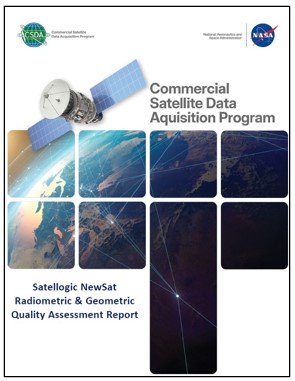
A new quality assessment report from NASA’s Commercial Satellite Data Acquisition (CSDA) program approves the use of data from Satellogic’s NewSat constellation, which includes the Mark IV and Mark V sensor generations, for scientific use.
Issued March 9, 2026, the Commercial Satellite Data Acquisition Program Satellogic NewSat Radiometric & Geometric Quality Assessment Report documents the evaluation process of the NASA subject matter experts (SMEs) enlisted to analyze the quality of the constellation’s radiometric and geometric data products.
The SMEs analyzed 60 top-of-atmosphere reflectance images collected between 2021 and 2025, focusing on radiometric and geometric performance across multiple sites. Results showed generally strong radiometric accuracy, with the majority of spectral bands performing within 10% of Aqua MODIS reference values and signal-to-noise ratios meeting “Good” rating criteria for more than half of the bands. Geometric performance exceeded their specified sensor spatial response specifications, with some variability noted between sensor generations. (The Mark IV received an “Excellent” grade for sensor spatial response while the Mark V received a “Basic” grade.)
Since the release of the report, Satellogic has changed aspects of their data processing, in part to address findings and recommendations in the report. CSDA is engaged in a quality assessment of their revised products and will report on the results in the near future.
About the CSDA ProgramNASA’s Earth Science Division (ESD) established the CSDA program to identify, evaluate, and acquire commercial remote sensing data that enhances NASA’s Earth science research and applications. CSDA provides structured on-ramping opportunities for emerging commercial satellite data vendors, enabling NASA to continuously integrate innovative data sources as the private sector evolves. By leveraging these partnerships, NASA’s ESD aims to accelerate scientific discovery and expand applications of Earth observation data for the NASA Earth science research and applications community and societal benefit.
Since its initial pilot, the CSDA Program has conducted three on-ramp activities, resulting in the addition of several vendors into sustainment. Since then, the program has streamlined its evaluation process by introducing high-quality, SME-led data assessments, accelerating reviews and strengthening NASA’s engagement with the rapidly growing commercial data ecosystem. The CSDA’s evaluation criteria include:
- Accessibility of data
- Completeness and accuracy of metadata
- User support services provided by the commercial entity
- Usefulness of submitted data for science and applications
This approach ensures NASA gains timely access to high-quality, mission-relevant commercial data, and provides valuable feedback to private-sector providers, fostering innovation, improved data products, and alignment of industry capabilities with NASA’s evolving scientific needs.
ResourcesTo read the CSDA’s Satellogic NewSat Radiometric & Geometric Quality Assessment Report, visit the CSDA website.
View the recent CSDA Vendor Focus Webinar on Satellogic on the CSDA program’s YouTube channel.
For more information about the CSDA program’s process for identifying commercial satellite vendors for on-ramp and evaluation, visit the CSDA website.
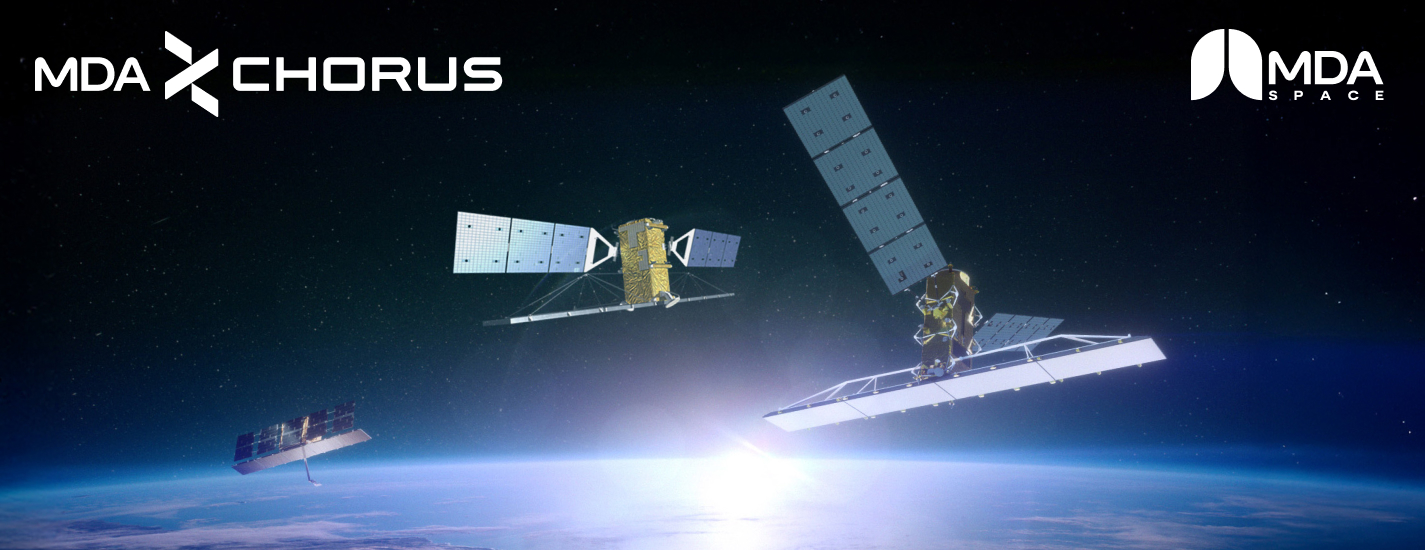
Webinar 4/29: NASA CSDA Program Vendor Focus- MDA Space
NASA’s Earth Science Division (ESD) established the Commercial Satellite Data Acquisition (CSDA) program to explore the potential of commercial satellite data in advancing the agency’s Earth science research and application objectives. The program aims to identify, assess, and acquire data from commercial providers, which may offer a cost-effective means of supplementing Earth observations collected by NASA, other U.S. Government agencies, and international collaborators.
During this NASA CSDA program vendor webinar, speakers will introduce MDA Space and the company’s satellite constellation; show participants how to discover, access, and work with these satellite C-band synthetic aperture radar (SAR) products; and speak to how these data products complement NASA Earth science data holdings for research and applications. Additional topics will focus on the services available to data users and getting assistance with the NASA CSDA program vendor MDA Space datasets, services, and tools.
For information and to RegisterNASA Artemis II Human Research Data Methodology Challenge
NASA’s Human Research Program (HRP) uses research to develop methods to protect the health and performance of astronauts in space. In support of NASA’s goals for long-term missions on the surface of the Moon and human exploration of Mars, HRP is using ground research facilities, the International Space Station, and analog environments to monitor human health in deep space.
NASA’s Artemis II mission was the first crewed mission to the vicinity of the Moon since Apollo 17 in December 1972. The mission carried four astronauts aboard the Orion spacecraft on a trajectory into deep space – farther than any humans have gone before – marking a pivotal milestone in the history of human exploration. For the first time in more than half a century, human beings experienced the full physiological and psychological conditions of space travel beyond low Earth orbit, including an environment with space radiation, the isolation and confinement of a new spacecraft, and the operational demands of a test mission profile.
For HRP, Artemis II represents an irreplaceable research opportunity. The data collected from the four-person crew will expand an existing body of knowledge built primarily from missions in low Earth orbit, extending it into the deep space environment. It will provide direct measurements of how the human body responds to conditions that ground-based simulation cannot fully replicate.
The unique dataset will also present a profound analytical challenge. Though the sample size is only four subjects, the data will span multiple physiological systems, data modalities, and time points. That combination is what the NASA Artemis II Human Research Data Methodology Challenge seeks to address.
Award: $25,000 in total prizes
Challenge Open Date: March 30, 2026
Submission Close Date: June 5, 2026
For more information, visit: https://hrpdatachallenge.org/
NASA, OPM Announce New NASA Force Website, Open Job Applications
NASA and the U.S. Office of Personnel Management (OPM) launched the NASA Force website on Friday, opening applications for roles aimed at recruiting the nation’s top engineers and technologists to support America’s air and space program.
NASA Force, a new hiring initiative developed in partnership with OPM, will recruit and place high-impact technical talent into mission-critical roles supporting NASA’s exploration, research, and advanced technology priorities, ensuring the agency has the cutting-edge expertise needed to maintain U.S. leadership in air and space.
“NASA Force is bringing highly skilled early- to mid-career engineers, technologists and innovators to help us achieve our world-changing missions,” said NASA Administrator Jared Isaacman. “Our successful Artemis II mission has inspired the world and generated tremendous interest to join our workforce to be part of the Golden Age of innovation and exploration.”
NASA Force is part of a broader US Tech Force initiative established by OPM to recruit elite technical professionals into federal service at multiple agencies to modernize systems, accelerate innovation, and strengthen mission delivery.
“NASA has always shown the world what American talent can achieve when it’s pointed at a bold mission,” said OPM Director Scott Kupor. “NASA Force is about making sure the agency has access to the next generation of innovation and strong partnerships with private sector talent to drive its very ambitious agenda.”
The first job application under NASA Force is for aerospace engineer positions for a two-year term position, with the potential for additional term extensions. Additional openings are expected in the coming weeks and months.
If interested in jobs in addition to NASA Force, visit:
NASA is taking deliberate steps to retain and bolster its internal talent pipeline, strengthen technical core competencies and in-house capabilities, and foster an enduring culture of technical resilience. NASA Force is one part of the agency’s workforce efforts aimed at achieving the President’s national space policy and maintaining unrivaled U.S. leadership in air and space exploration.
To learn more about NASA Force and apply for jobs, visit:
-end-
Camille Gallo / Jennifer Dooren
Headquarters, Washington
202-358-1600
camille.m.gallo@nasa.gov / jennifer.m.dooren@nasa.gov
Quality Assessment Report Evaluates Tomorrow.io Precipitation Radar Data
- CSDA
- Commercial Data
- CSDA Vendors
- Program Activities
- Pilot Research Projects
- FAQs
- News
A new quality assessment report from NASA’s Commercial Satellite Data Acquisition (CSDA) program approves the use of precipitation radar data from Tomorrow.io for NASA scientific use.
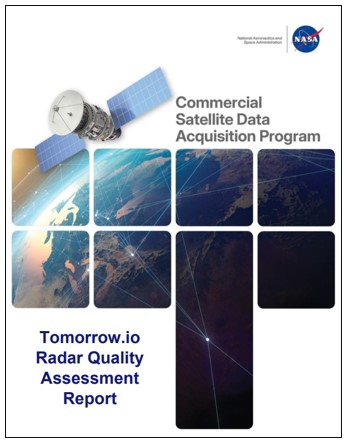
Issued March 9, 2026, the Commercial Satellite Data Acquisition Program Tomorrow.io Radar Quality Assessment Report documents the evaluation process of the NASA subject matter experts (SMEs) enlisted to analyze the data quality of the Ka-band Precipitation Radars aboard the company’s R1 and R2 spacecraft.
The SMEs assessed the company’s Level 2 Precipitation products and geolocation accuracy and their results were generally in agreement with the analysis provided by Tomorrow.io in its algorithm theoretical basis document. The geolocation assessment showed “excellent correlation” of 0.98 with a digital elevation model (DEM) reference. In addition, comparisons to ground radar were in good agreement for both radars, with correlations to ground radar of 0.73 and 0.93. (R2 showed slightly higher accuracy than R1, with biases of –22% (R1) and –6% (R2)). Based on these results, the SMEs concluded that Tomorrow.io precipitation radar data be considered for NASA scientific use, contingent upon alignment with science objectives and application needs.
To Tomorrow.io, the CSDA program’s independent evaluation process provides the confidence the scientific community needs to rely on commercial Earth observation data.
“When NASA’s own subject matter experts validate that a commercially built space-based radar system can contribute meaningfully alongside programs like NASA’s Global Precipitation Measurement missions, that opens a new chapter for Earth observation,” said Rei Goffer, Chief Strategy Officer and Founder of Tomorrow.io. “We built these instruments to demonstrate that the commercial sector can deliver science-quality data from space, and we’re proud that NASA’s assessment supports that vision.”
About the CSDA ProgramNASA’s Earth Science Division (ESD) established the CSDA program to identify, evaluate, and acquire commercial remote sensing data that enhances NASA’s Earth science research and applications. CSDA provides structured on-ramping opportunities for emerging commercial satellite data vendors, enabling NASA to continuously integrate innovative data sources as the private sector evolves. By leveraging these partnerships, NASA’s ESD aims to accelerate scientific discovery and expand applications of Earth observation data for the NASA Earth science research and applications community and societal benefit.
Since its initial pilot, the CSDA Program has conducted three on-ramp activities, resulting in the addition of several vendors into sustainment. Since then, the program has streamlined its evaluation process by introducing high-quality, SME-led data assessments, accelerating reviews and strengthening NASA’s engagement with the rapidly growing commercial data ecosystem. The CSDA’s evaluation criteria include:
- Accessibility of data
- Completeness and accuracy of metadata
- User support services provided by the commercial entity
- Usefulness of submitted data for science and applications
This approach ensures NASA gains timely access to high-quality, mission-relevant commercial data, and provides valuable feedback to private-sector providers, fostering innovation, improved data products, and alignment of industry capabilities with NASA’s evolving scientific needs.
ResourcesTo read the Commercial Satellite Data Acquisition Program Tomorrow.io Radar Quality Assessment Report, visit the CSDA website.
For more information about the CSDA program’s process for identifying commercial satellite vendors for on-ramp and evaluation, visit the CSDA website.
Learn more about Tomorrow.io commercial data available through the CSDA program’s recent Vendor Focus webinar.
Volunteers Discover Rare Space Weather Events Using Their Ears
Our planet rests inside a magnetic cocoon filled with plasma – but it’s not always peaceful and quiet. Activity from the Sun can send waves through this space, and some of those disturbances can even reach Earth, affecting our power grid.
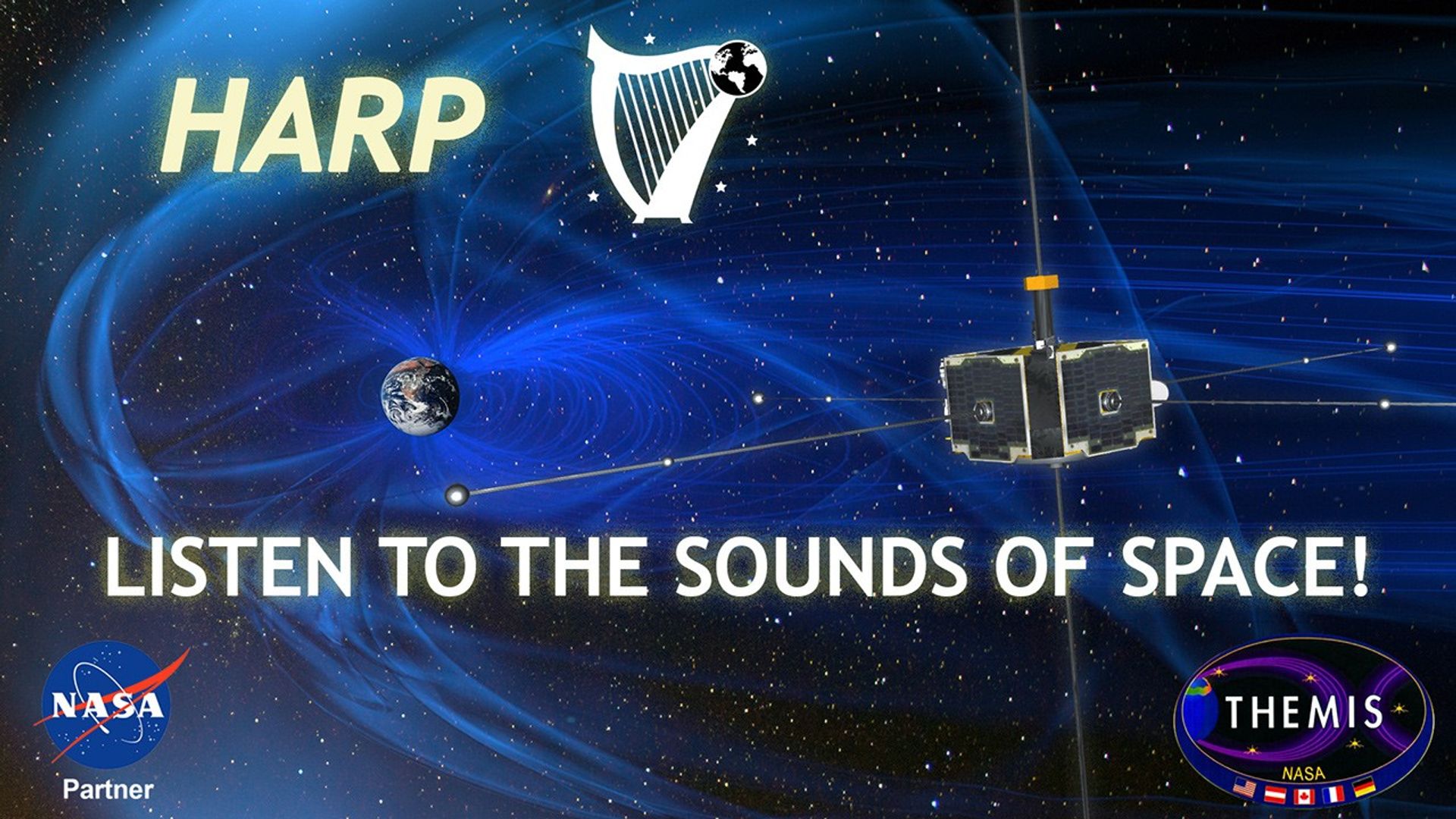
Scientists are working to understand exactly how these waves behave, and the team behind NASA’s Heliophysics Audified: Resonances in Plasmas (HARP) citizen science project approaches this in a unique way: they compare the Earth’s magnetic field to a giant harp in space. The HARP team translated magnetic field measurements into sound. This translation allowed HARP project volunteers to use their ears to study a particular type of plasma wave that plays a role in space weather. What they heard surprised everyone.
The science team expected lower pitches farther from Earth and higher pitches closer to it. But when they played back data from NASA’s THEMIS (Time History of Events and Macroscale Interactions during Substorms) mission, volunteers noticed something unexpected. Some plasma waves revealed the opposite pattern – lower pitches close to Earth and higher pitches farther away.
The HARP volunteers were thrilled to help discover this anomaly, which will help scientists better understand geomagnetic storms. One volunteer said of the HARP project, “I only signed up for this group because my friend was participating, but now I think I’m going to change my major to physics – this was just too cool.” These findings now appear in a new article in Frontiers in Astronomy and Space Sciences.
Thank you to all the HARP volunteers who helped develop the project’s audio analysis protocol, beta tested the graphical user interface, and identified and labeled the myriad plasma waves that the team will be studying for years to come.
The HARP project was sponsored by NASA and continues to be sponsored by the National Science Foundation. The project is no longer actively seeking volunteers.
HARP volunteers uncovered unexpected patterns in plasma wave activity near Earth using data from the NASA THEMIS mission. Image credit: Emmanuel Masongsong and the HARP team Credit: Emmanuel Masongsong and the HARP team Facebook logo @nasascience_ @nasascience_ Instagram logo @nasascience_ Linkedin logo @nasascience_ Share Details Last Updated Apr 17, 2026 Related Terms Explore More 4 min read NASA Data Hackathon Inspires Community ActionArticle
4 weeks ago
2 min read Hail Yeah! NASA Researchers Use Volunteer Observations for Hail Estimates
The bigger the hailstone, the more damage it can cause. But scientists find that predicting…
Article
1 month ago
7 min read To Protect Artemis II Astronauts, NASA Experts Keep Eyes on Sun
Article
1 month ago
NASA’s SPHEREx Observatory Maps Interstellar Ice in Milky Way
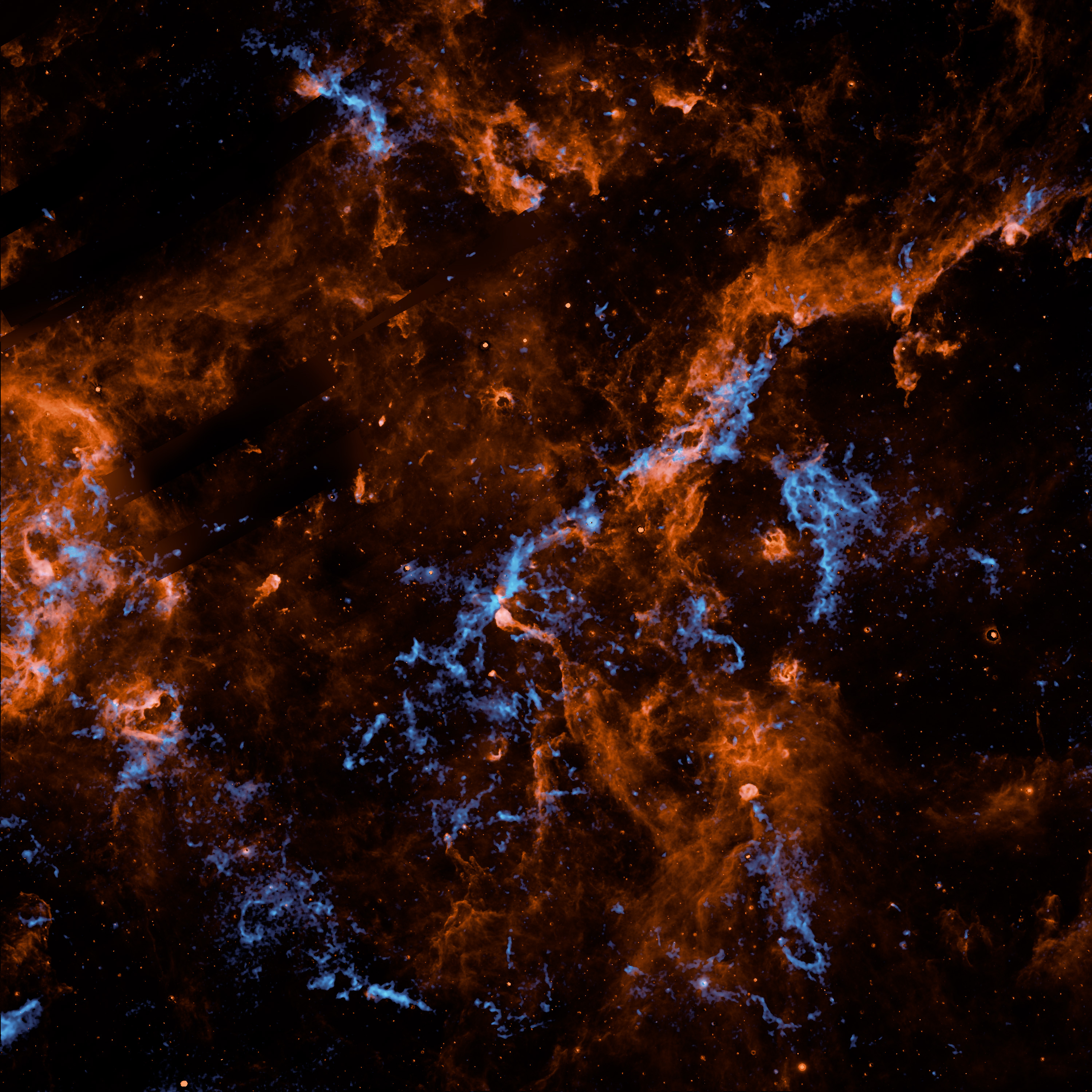
An observation made by NASA’s SPHEREx (Spectro-Photometer for the History of the Universe, Epoch of Reionization, and Ices Explorer) shows the chemical signatures of water ice (shown in bright blue) and polycyclic aromatic hydrocarbons (orange) in Cygnus X, one of the most active and turbulent regions of star birth in our Milky Way galaxy. The image was released on April 15, 2026, along with a study detailing the observation.
One of SPHEREx’s main goals is to map the chemical signatures of various types of interstellar ice. This ice includes molecules like water, carbon dioxide, and carbon monoxide, which are vital to the chemistry that allows life to develop. Researchers believe these ice reservoirs, attached to the surfaces of tiny dust grains, are where most of the universe’s water is formed and stored. The water in Earth’s oceans — and the ices in comets and on other planets and moons in our galaxy — originates from these regions.
SPHEREx launched March 11, 2025, and has the unique ability to see the sky in 102 colors, each representing a different wavelength of infrared light that offers distinctive information about galaxies, stars, planet-forming regions, and other cosmic features.
Read more about what SPHEREx found.
Image credit: NASA/JPL-Caltech/IPAC/Hora et al.
Spring Rains Saturate Michigan
- Earth
- Earth Observatory
- Image of the Day
- EO Explorer
- Topics
- More Content
- About
NASA Invites Media to Latvia Artemis Accords Signing Ceremony
The Republic of Latvia will sign the Artemis Accords during a ceremony at 9 a.m. EDT Monday, April 20, at NASA Headquarters in Washington.
NASA Administrator Jared Isaacman will host Dace Melbārde, Latvia’s minister for education and science; Jānis Beķeris, chargé d’affaires at the Embassy of the Republic of Latvia to the United States; and Jacob Helberg, under secretary of state for economic affairs at the U.S. Department of State.
This event is in person only. Media interested in attending must RSVP no later than 3 p.m. on Friday, April 17, to: hq-media@mail.nasa.gov. NASA’s media accreditation policy is online.
The signing ceremony will take place in the James E. Webb Memorial Auditorium at NASA Headquarters in the Mary W. Jackson building, 300 E Street SW.
In 2020, during the first Trump Administration, the United States, led by NASA and the State Department, joined with seven other founding nations to establish the Artemis Accords, responding to the growing interest in lunar activities by both governments and private companies.
The accords introduced the first set of practical principles aimed at enhancing the safety, transparency, and coordination of civil space exploration on the Moon, Mars, and beyond. Latvia will be the 62nd country to sign the Artemis Accords.
Learn more about the Artemis Accords at:
https://www.nasa.gov/artemis-accords
-end-
Camille Gallo / Elizabeth Shaw
Headquarters, Washington
202-358-1600
camille.m.gallo@nasa.gov / elizabeth.a.shaw@nasa.gov